Investors · EB-5 · Education
Why power-first AI campuses fit EB-5
An educational look at why a large, multi-year power and data center program lines up with the job-creation purpose of the EB-5 program. No offering is being made on this website.
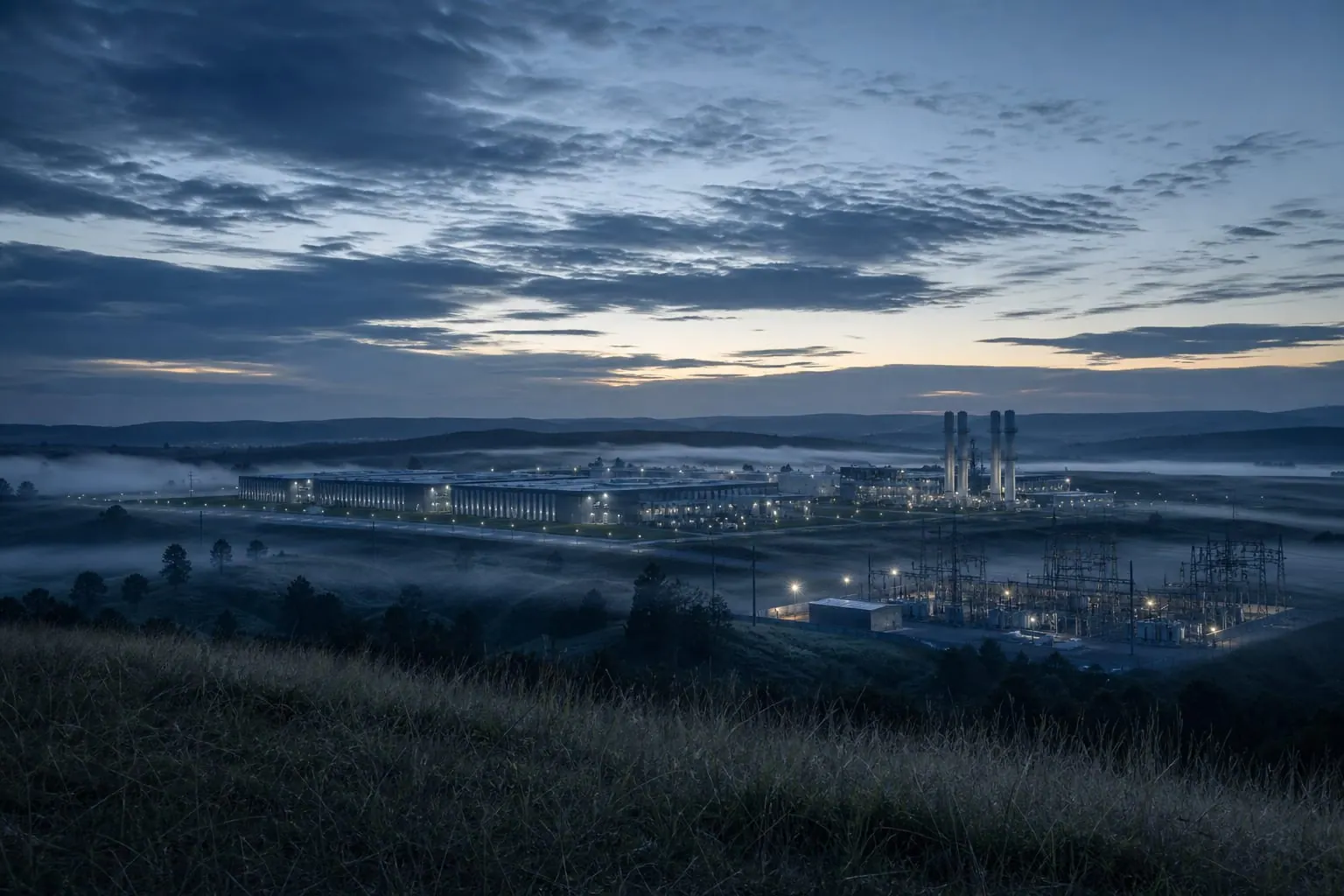
The asset
What a power-first AI campus is
A power-first AI campus starts from electricity. Instead of waiting years in a utility queue, the developer plans on-site generation, storage or an already-powered site, and builds the data halls to match. Read more about power infrastructure and the power-first development approach.
The result is a campus that is part industrial plant and part technology building. That mix matters for EB-5, because the program was written to encourage investment in projects that put many people to work.
Fit
Why this kind of project is construction-heavy
EB-5 asks for jobs that follow from the investment. A campus is a good subject for that question because so much of its budget goes into labor, materials and equipment over a long period.
Large, multi-year construction
A campus is built in stages: site works, power plant, switchgear, buildings, cooling and data halls. Each stage employs different trades and contractors, so work continues for several years rather than a few months.
A long-lived operating asset
Once energized, a campus runs for many years. The power plant, the electrical and cooling systems and the data halls need permanent staff for operations, maintenance and security.
Jobs at two stages
Work is created while the campus is built and again while it operates. EB-5 job counting looks at both, through the methods an independent economist documents for the project.
Work
The kinds of jobs a campus involves
The list below names categories of work only. It is not a job count, and it does not say how many positions any PacinfraX project would create.
Construction trades
Civil and site crews, concrete, steel, pipefitters, welders, equipment operators and laborers.
Electrical
Electricians, linemen, protection and switchgear technicians who build and commission the power systems.
Mechanical
HVAC, cooling and plumbing technicians and the engineers who design and commission those systems.
Controls and commissioning
Technicians who program, test and tune building and power controls before a block goes live.
Security and facilities
Guards, access control staff, janitorial, grounds and maintenance teams that operate the site every day.
Power plant operations
Operators and maintenance technicians for on-site generation and battery storage, working in shifts.
Alignment
How this aligns with the purpose of EB-5
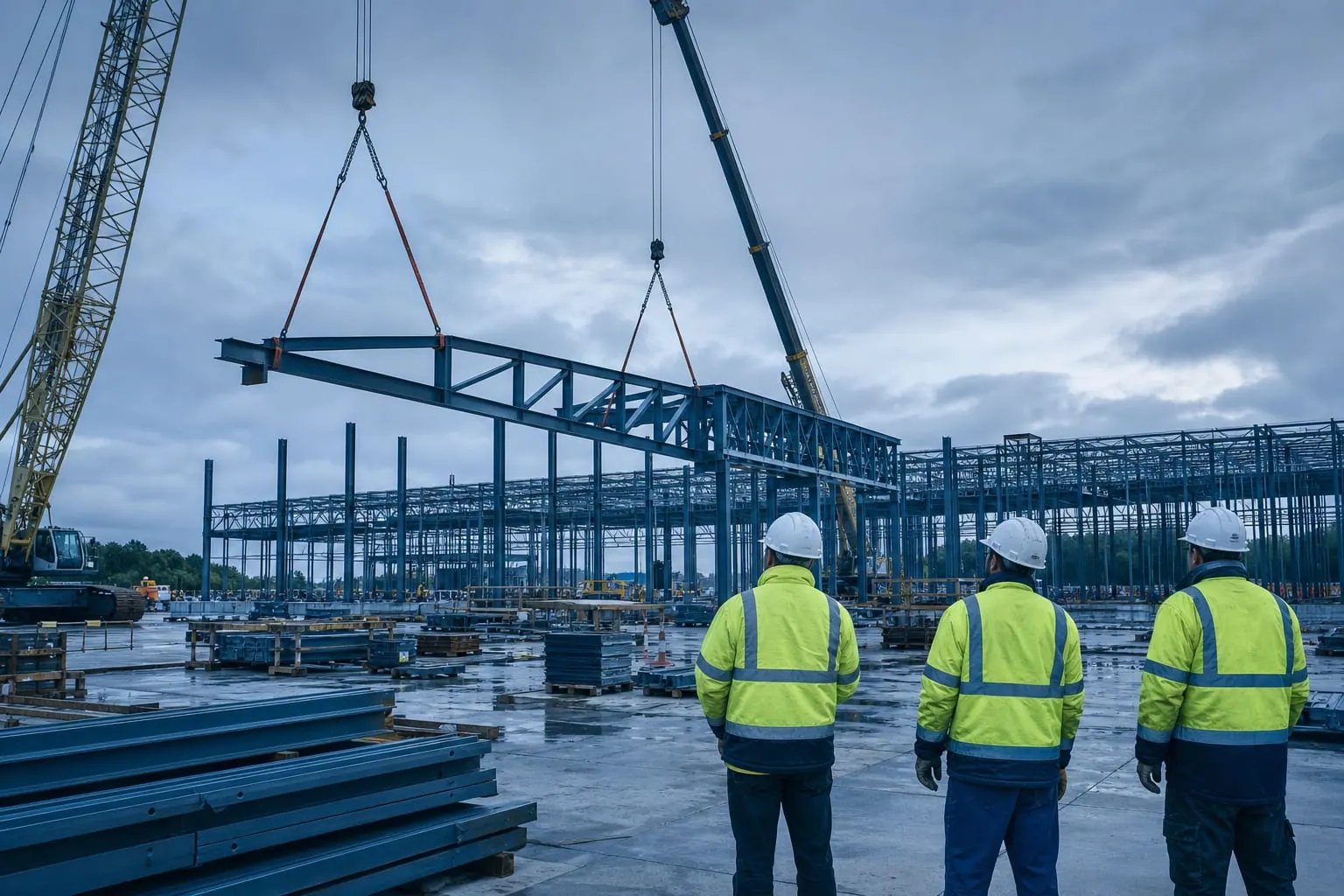
Congress created EB-5 to bring foreign capital into new commercial enterprises that create full-time jobs for US workers. A project that spends heavily on construction, then employs technical staff for years, is the kind of activity the program describes. A regional center project can also count indirect and induced jobs, which an economist estimates with an input–output model (USCIS questions and answers).
Fit with the purpose is not the same as qualification. Each petition is decided by USCIS on its own merits, and each project has to show, with documents and a method accepted by USCIS, that the required jobs are created. See job creation for data center campuses and the glossary.
Phasing
How a campus is built in phases
PacinfraX plans campuses in phased power blocks rather than as one large build. Each block adds power, cooling and data hall capacity, and each one is commissioned before the next starts. Building in blocks keeps the work spread over many months and lets the team match construction to customer demand and to the arrival of equipment.
For the job question, phasing means that construction activity is continuous rather than a single burst. For the operating question, it means staffing grows as blocks come into service.
Locations
Where Texas and Minnesota fit

PacinfraX is developing campuses in South ERCOT, Texas and at a powered industrial site in Minnesota. Additional states are under evaluation and would be named on this website only when a project is confirmed.
Whether a site is in a rural area or a high-unemployment area is decided under the Act in the regional center filing. The decision is not made on this page, and this page says nothing about the status of either site. See targeted employment areas explained.
Limits of this page
What this page does not say
- It does not say that any PacinfraX project qualifies for EB-5, or that any investor will receive a visa or permanent residence.
- It does not state job numbers, investment amounts, project terms or timelines.
- It does not make an offer. Eligible investors can receive confidential offering documents only through a separate process.
- It is not legal, tax or investment advice. An EB-5 investment can lose value, and the whole amount is at risk.
Does a data center campus create enough jobs for EB-5?
That is decided project by project. An independent economist estimates direct, indirect and induced jobs from the construction budget and the operating plan, and USCIS reviews the method. This website states no job numbers.
Are operations jobs counted or only construction jobs?
Both can count if they meet the rules. Construction jobs are usually counted as indirect jobs in a regional center project, and operating jobs depend on the plan. Counsel and the economist set out which are used.
Does a campus in a rural area qualify for the reduced amount?
Only if the site meets the Act’s definition of a rural or high-unemployment area, which is determined in the regional center filing. This website does not state the status of any site.
Questions about EB-5 at PacinfraX?
Register interest or write to [email protected]. Our investor relations team replies within two business days.