
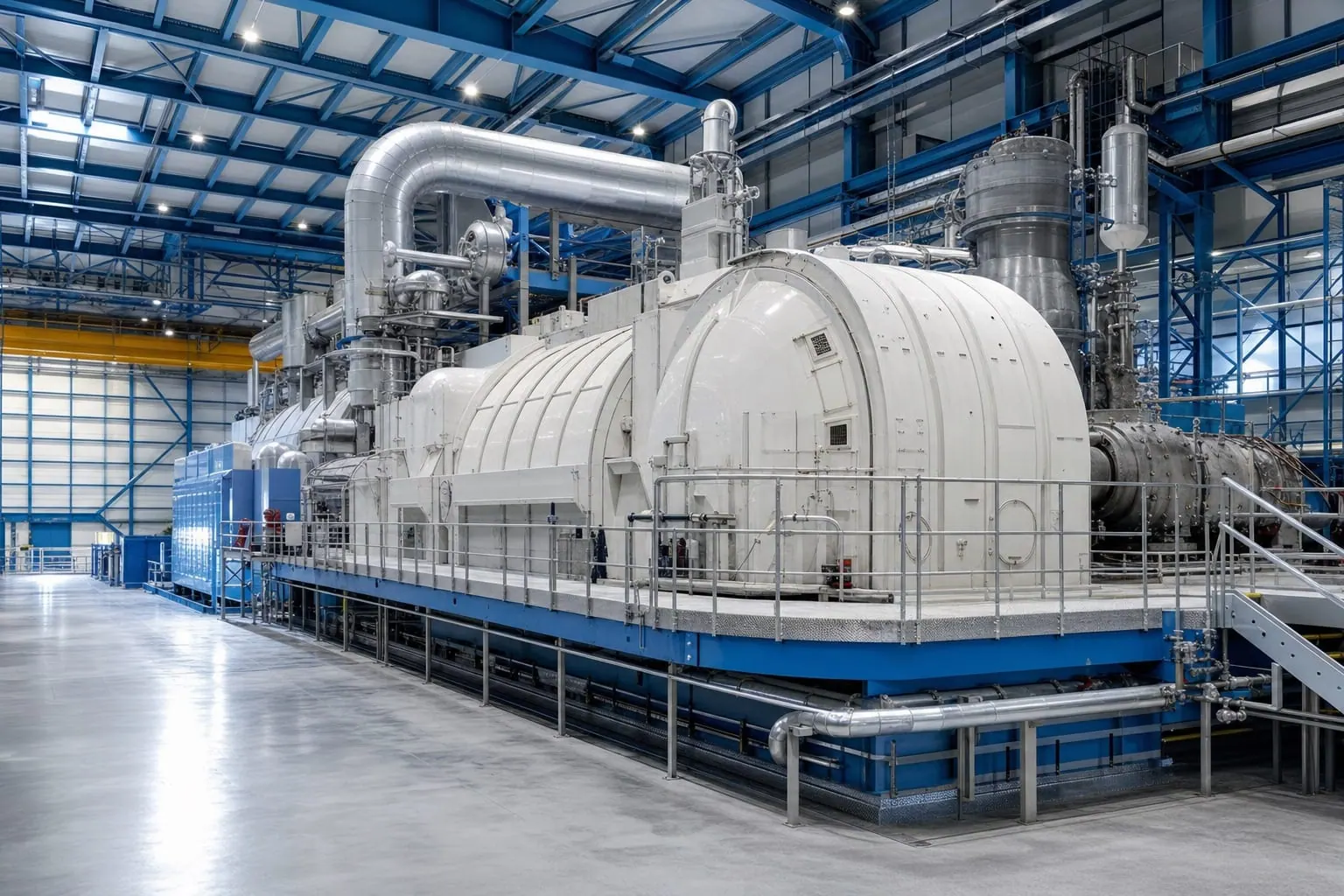
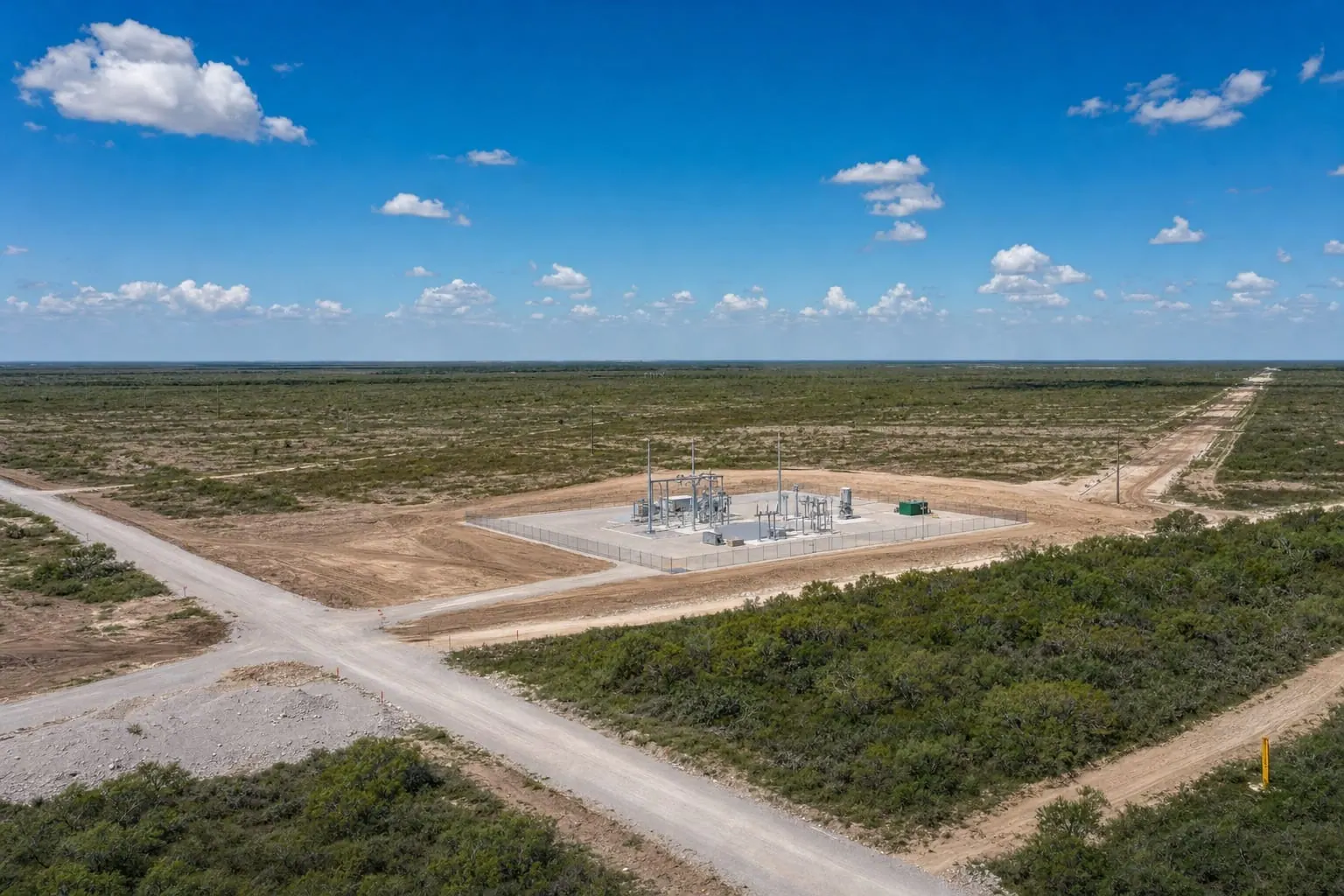
South ERCOT, Texas
An AI campus in development with on-site gas generation and storage, planned so halls energize without waiting on the interconnection queue.
Explore the Texas campus →Solutions · Power Infrastructure · Bridge to grid
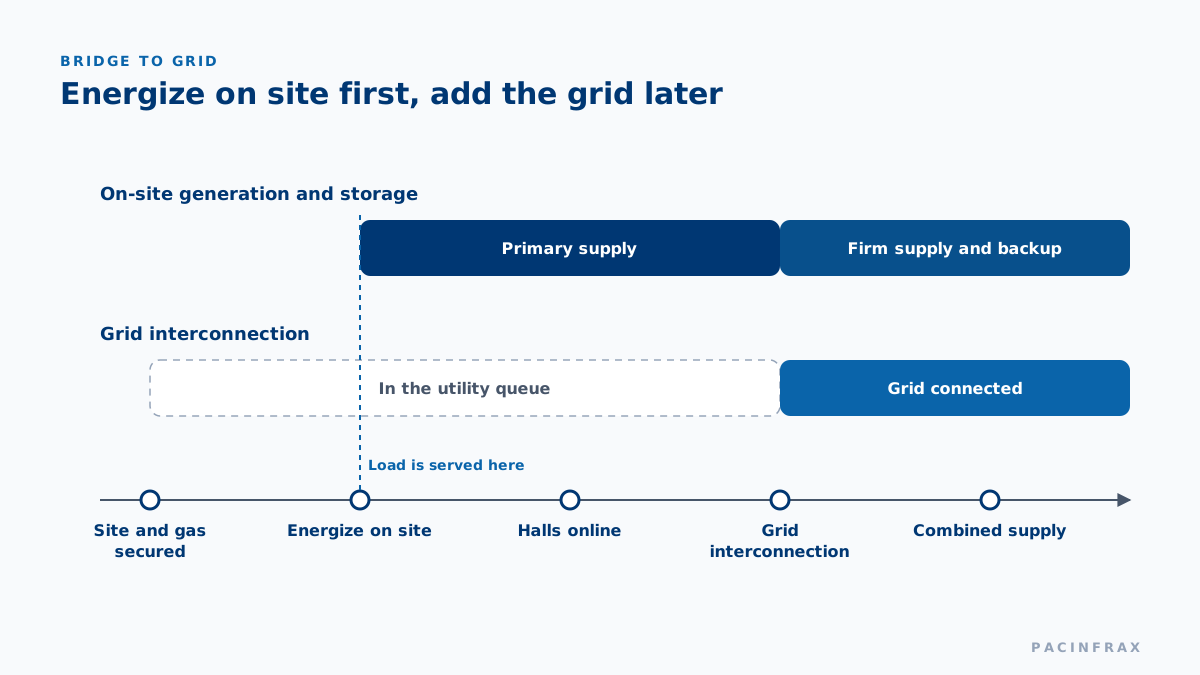
Bridge to grid means your data center energizes on on-site power on day one while the utility interconnection proceeds in parallel. When the grid is ready it joins the campus switchgear as another source. Your halls see the same supply before and after, and the tenant changes nothing.
Updated
1,200MW
Planned in Vietnam
4
Site agreements in Vietnam
10–50MW
Hyperscale block size
3
Markets: Texas, Minnesota, Vietnam
Who it's for
Bridge to grid is for customers who want grid power in the long run and cannot wait for it to start. It suits any project where the interconnection date is uncertain and the cluster date is fixed.
A fixed cluster date, with the long-term grid connection arriving on its own schedule.
Revenue that starts when halls energize, not when the utility finishes its study.
Sites where a grid connection is possible but without a confirmed date.
Own land or a powered site? Write to [email protected] or use the landowner route.
Timeline
Two paths run in parallel. The on-site path builds generation and storage beside the halls and energizes them first. The grid path proceeds through the utility process and arrives when it arrives. The timeline below shows how they meet.
Why
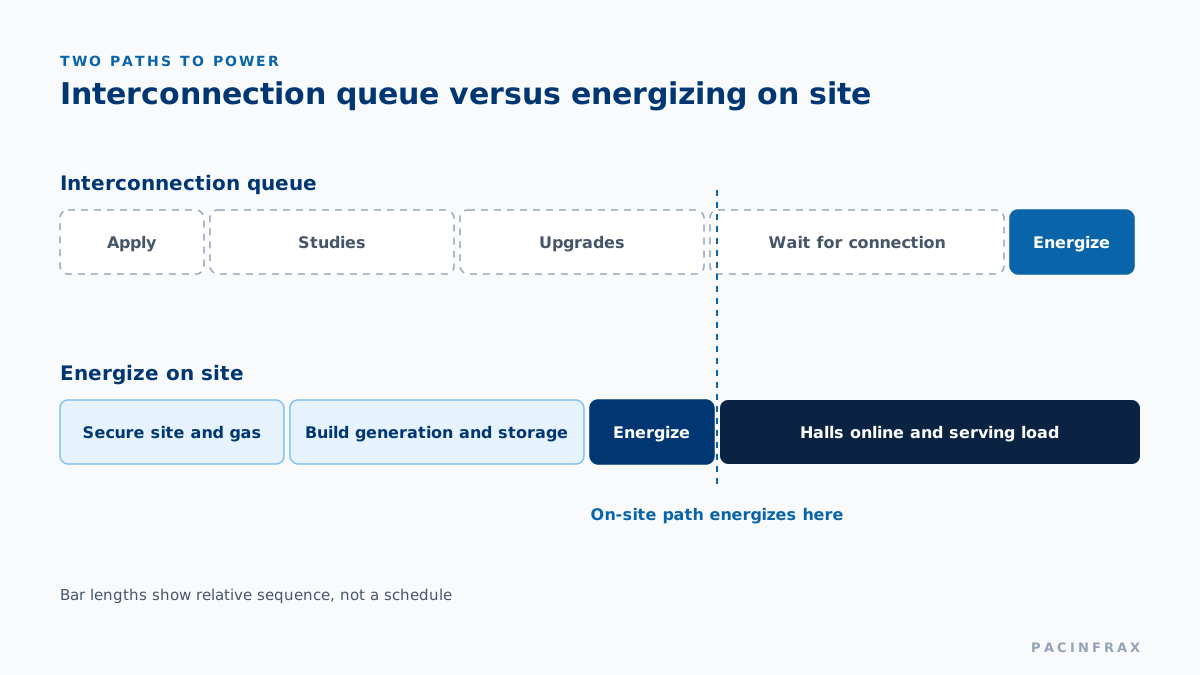
The utility decides the pace of an interconnection. Studies, upgrades and construction sit on its schedule. A project that waits for them makes its cluster date depend on someone else.
The generation side is described on on-site generation.
How we deliver
Next
The campus team leads the interconnection process with the utility, so the grid path advances while the campus is built.
Next
Generation, storage and switchgear are built with the halls and sized to carry the full load.
Next
Halls start on campus power, and your cluster begins work.
Next
Switchgear is built with a reserved position for the utility connection.
Next
When the utility completes its work the connection joins the switchgear in a planned window.
Next
Operators balance on-site power and the grid for resilience and cost.
For the tenant
The tenant sees one supply at the hall boundary. When the grid connects, the campus switchgear adds a source behind that boundary. Voltage, capacity and redundancy at your hall stay the same, and operations teams coordinate the switch ahead of time.
| Item | Before the grid | After the grid |
|---|---|---|
| Supply at your hall | Campus generation and storage | Campus sources plus the grid, same boundary |
| Capacity | As contracted | As contracted |
| Redundancy | N+X as agreed | N+X as agreed, with an extra source |
| Your action | None | None |
| Campus action | Operate the plant | Balance plant and grid |
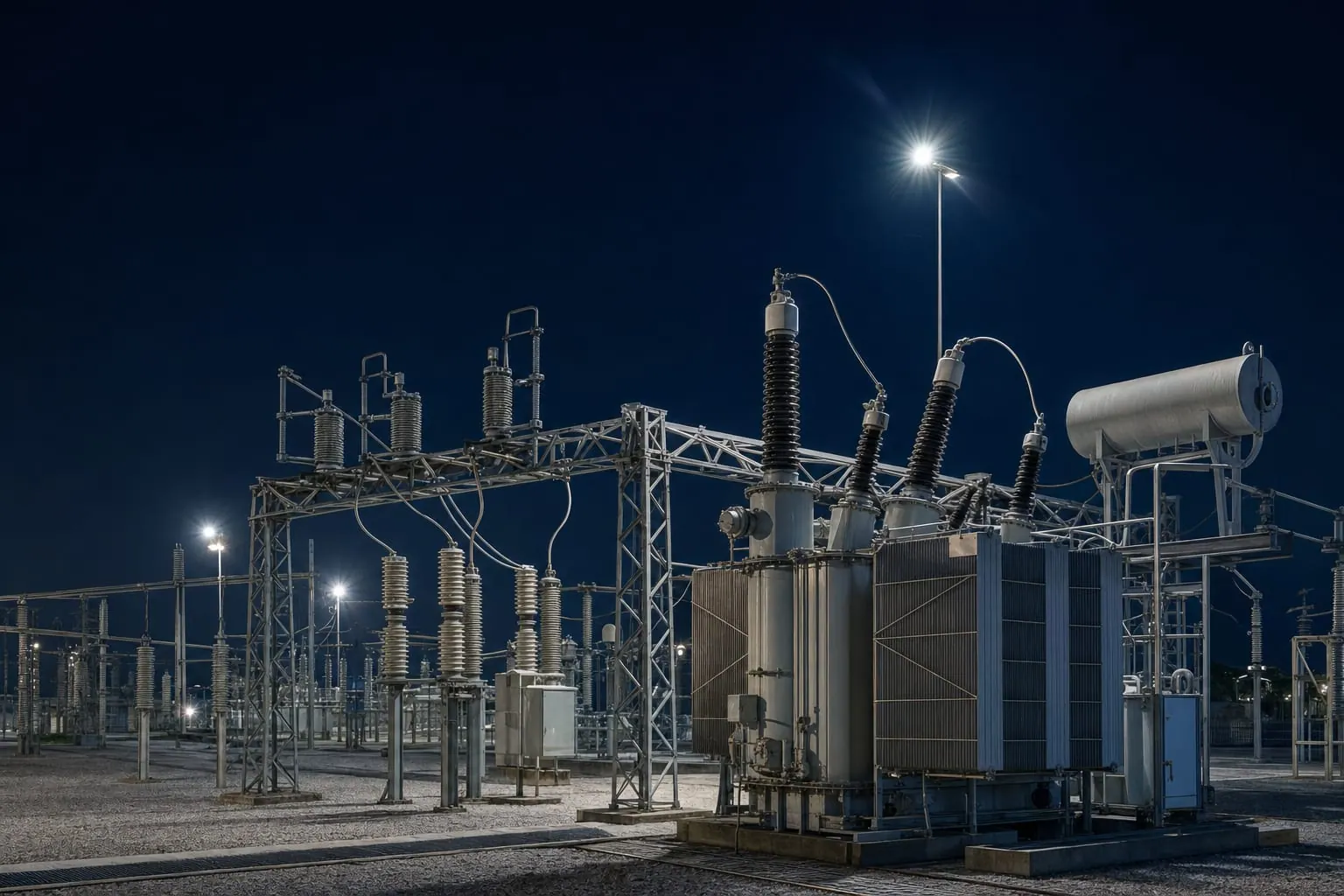
Design basis
A bridge works because the campus is designed for it from the start. The grid arrives into a switchgear lineup that is already built to receive it.
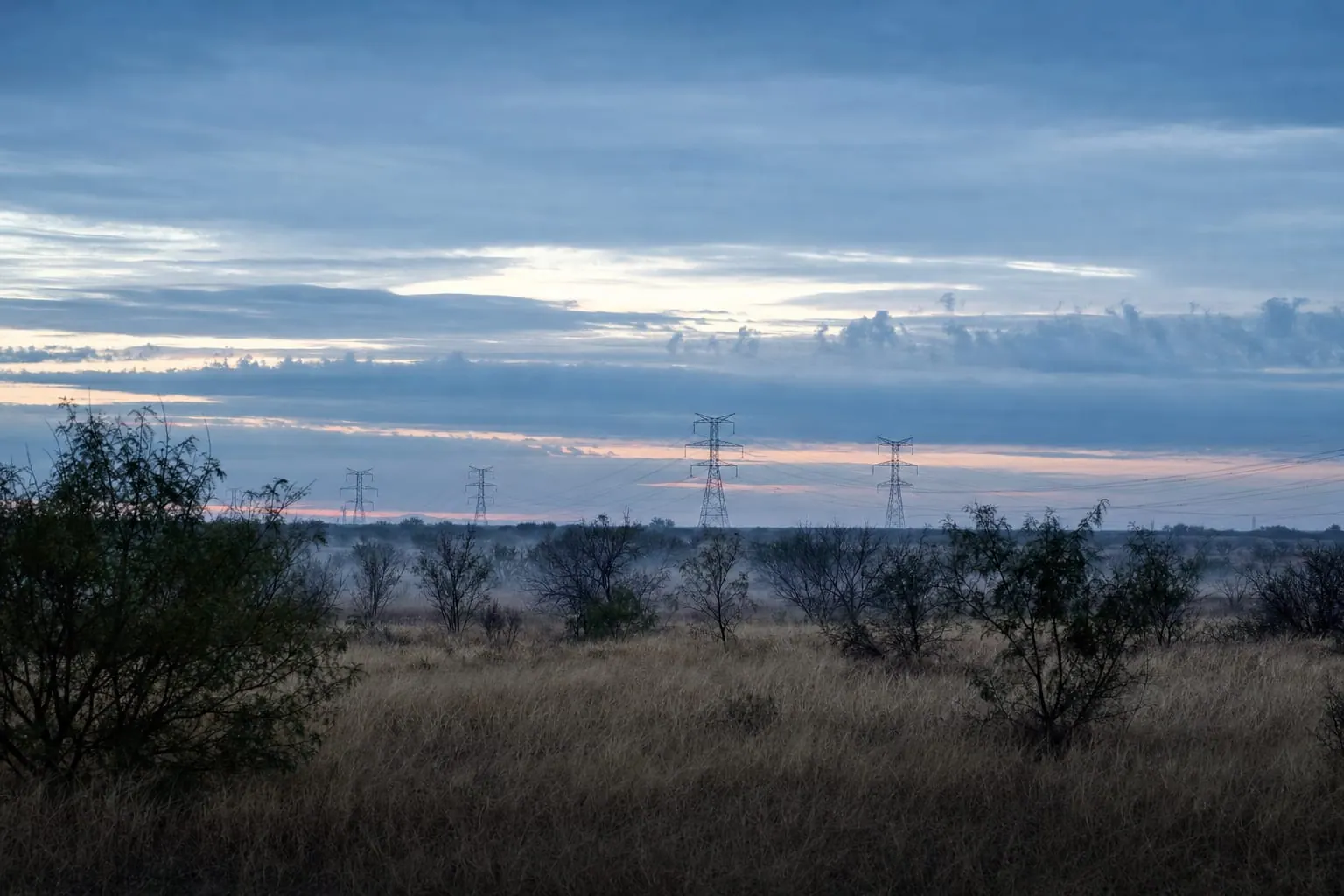
The grid path
The grid connection is a project of its own. PacinfraX opens the interconnection request when the campus project starts and keeps it moving through each utility stage while the plant is built. A dedicated owner tracks study milestones, upgrade scopes and the utility schedule, and reports the status to you in the same program review as construction.
Because the on-site plant carries the full load, the utility date no longer sits on your critical path. If the utility finishes early, the campus gains a second source sooner. If it takes longer, your cluster is already running.
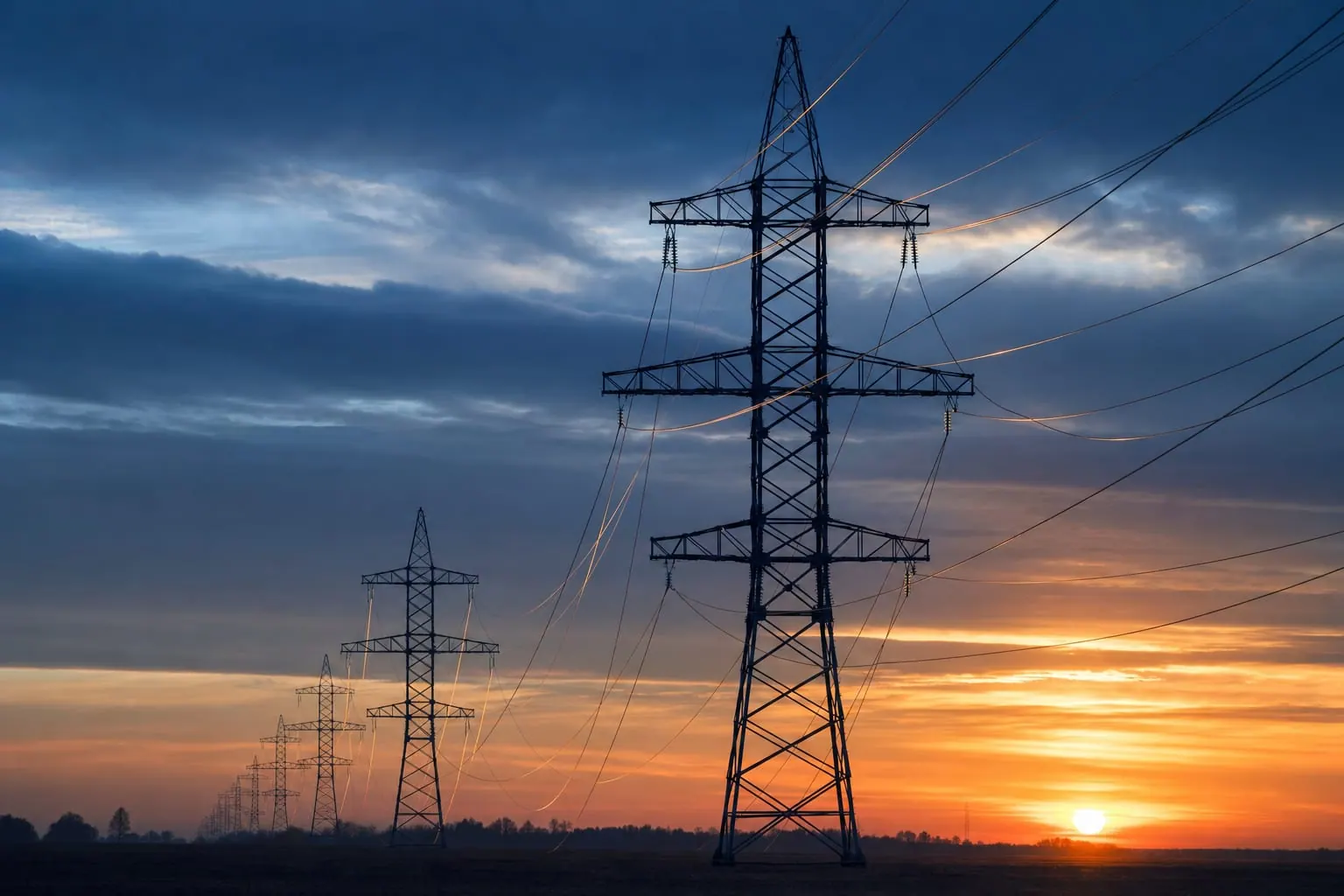
After the bridge
Once the grid joins, the campus has two ways to power the halls. Operators can run on-site generation, the grid or both. The extra source adds resilience, gives the campus choices on how to balance cost and supply, and lets on-site plant move to backup duty where the design allows.
If the grid is disturbed, the campus is designed to separate from it and keep the halls running on its own plant and storage. Once the grid is stable again, operators resynchronise in a planned sequence. Your team receives the status of each step, so you know which source is carrying your load at any time.
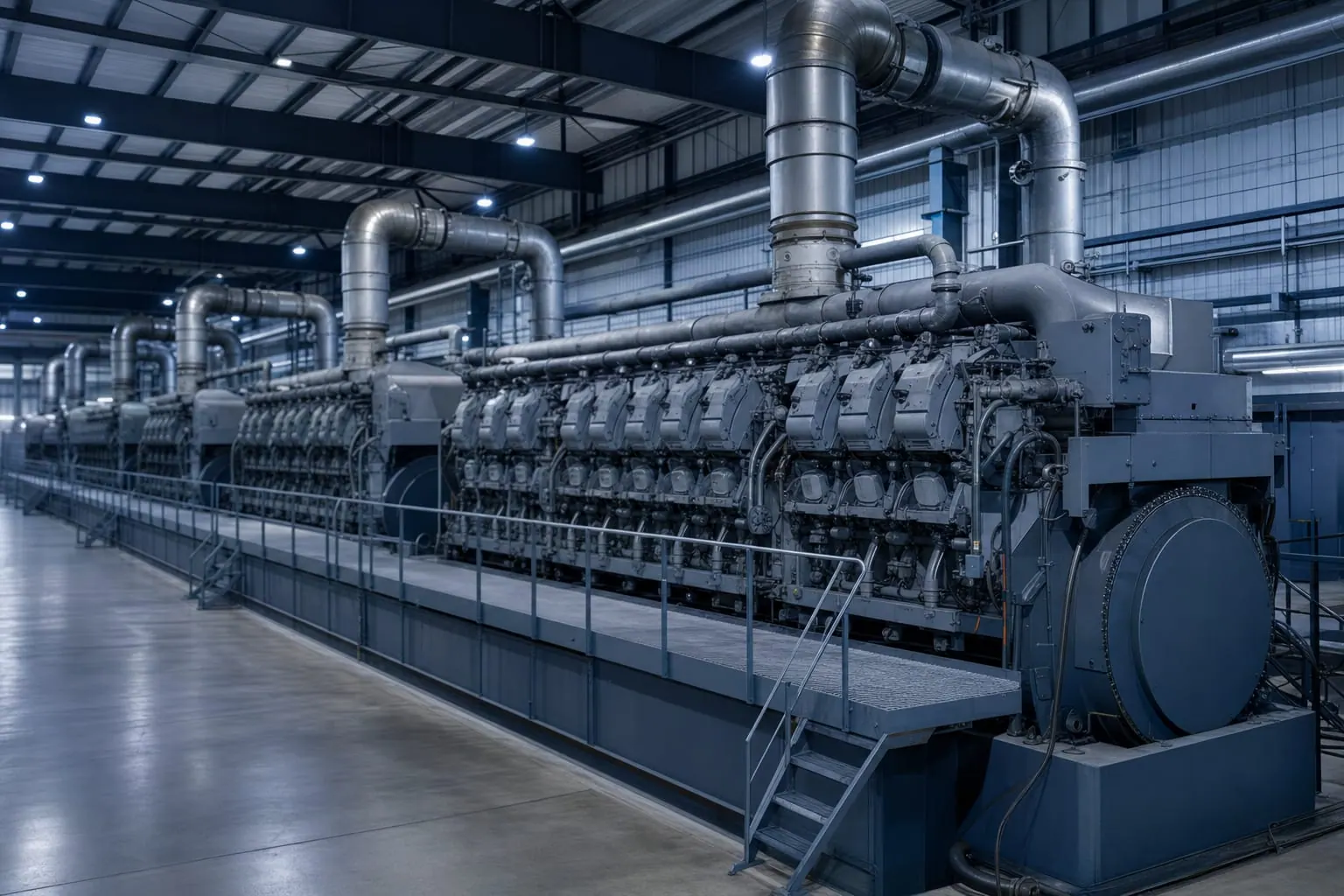
Where available
The bridge model is planned into each campus from the start.
An AI campus in development with on-site gas generation and storage, planned so halls energize without waiting on the interconnection queue.
Explore the Texas campus →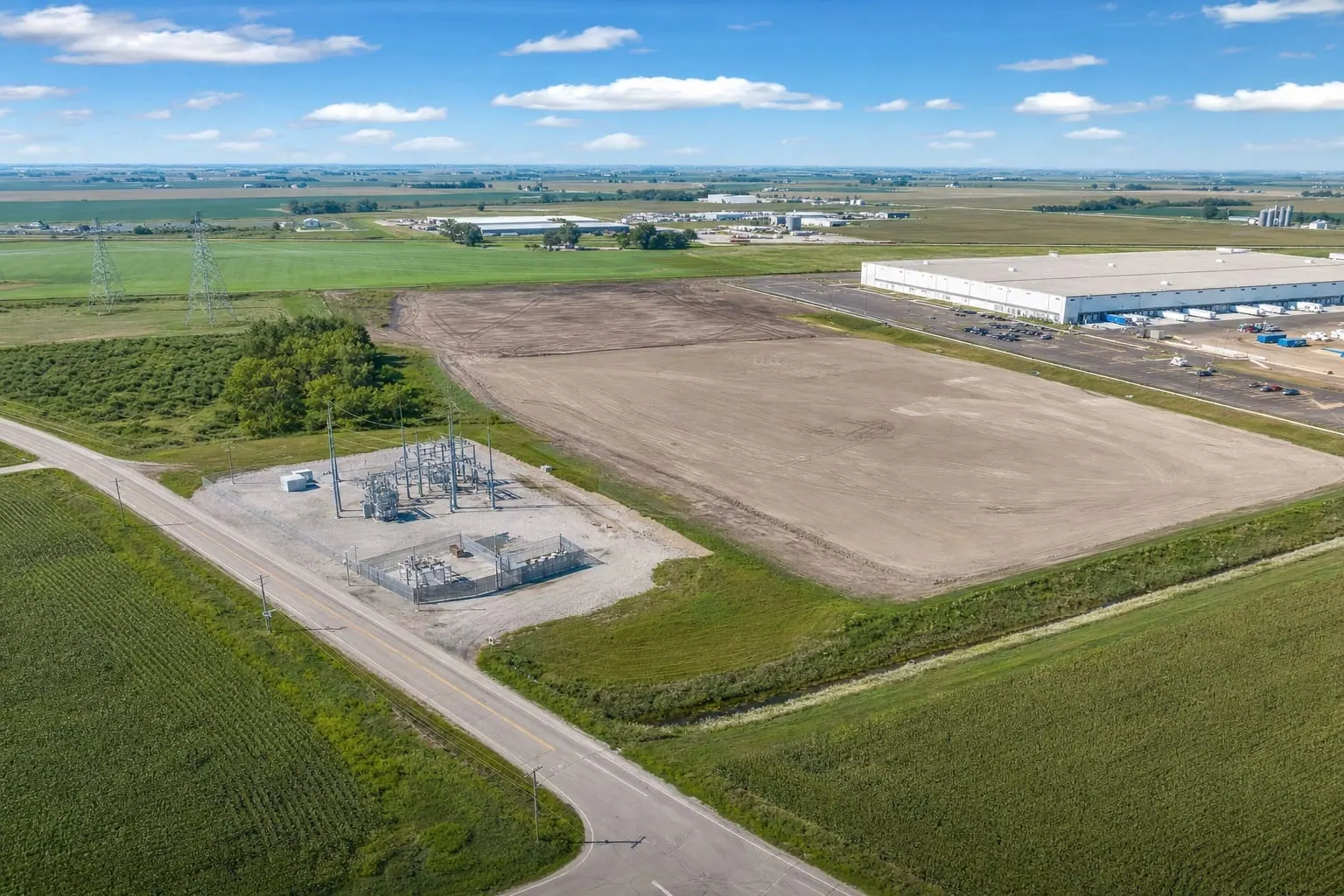
Minnesota, powered industrial site.
Explore the Minnesota site →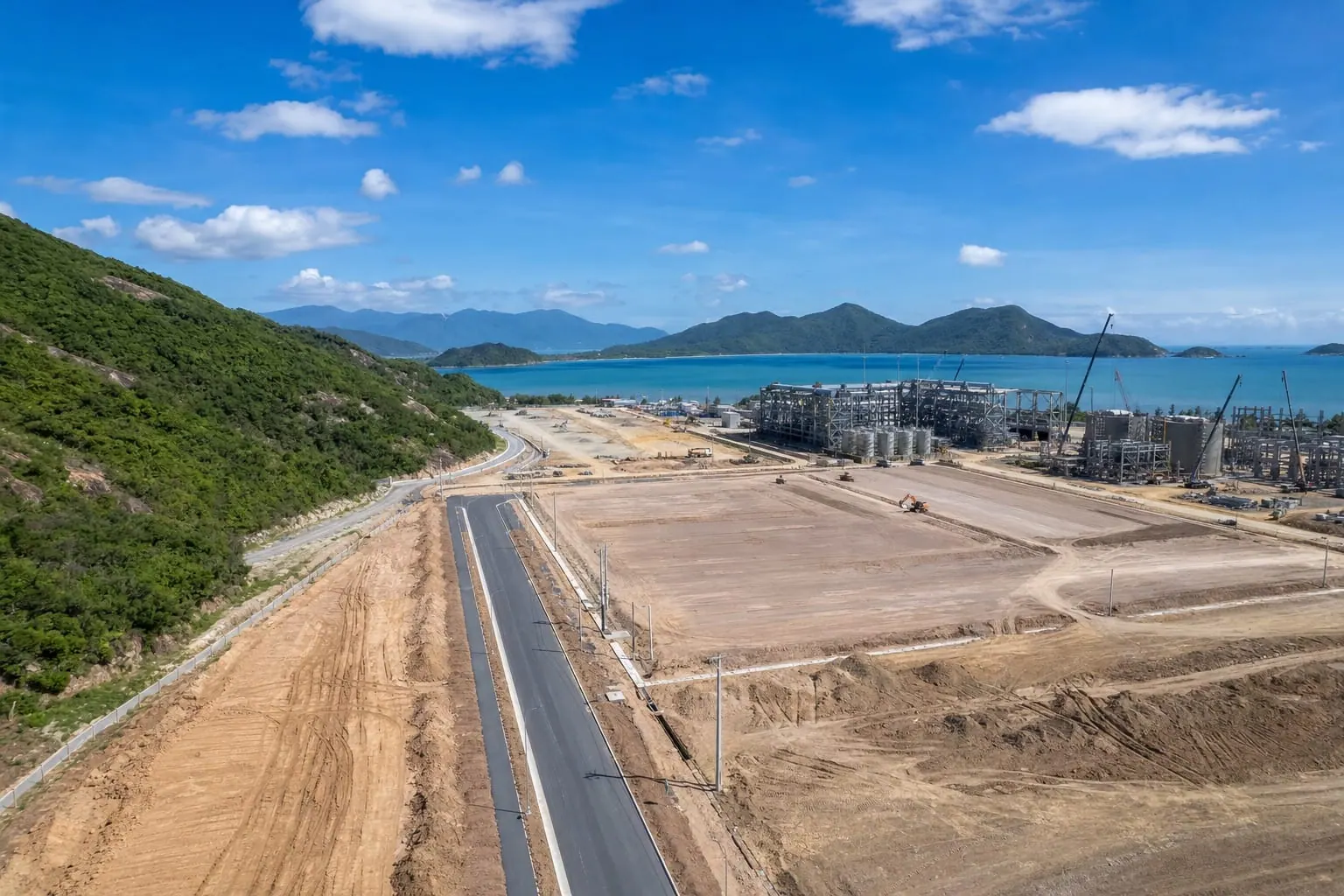
1,200 MW planned across four sites. Nam Thang Binh, Da Nang leads with 200 MW and a 20 MW phase 1 targeted for 2026–2027.
Explore Vietnam sites →Next step
Tell us your megawatts and the date your cluster must start. We reply with a plan for the on-site plant, the bridge and the schedule. See also power infrastructure, AI data centers and our Texas campus.
FAQ
It means the data center energizes on on-site power first and the utility connection is added later as another source.
The utility sets that schedule. On-site power lets your cluster start on its own date while the grid connection proceeds.
No. The grid joins the campus switchgear behind your hall boundary, so voltage, capacity and redundancy stay the same.
PacinfraX leads the interconnection process with the utility for the campus; your team files nothing.
Yes. The plant stays as a second source, and operators balance it with the grid for resilience and cost.
Storage is part of the standard design. It rides through source changes and smooths load, which supports a clean switch to the grid.
The South ERCOT, Texas campus is an AI campus in development with on-site gas generation and storage.
Send your megawatts, target date and preferred market through Request capacity, and we reply with a plan.
Request capacity
Tell us how many megawatts you need, where and when. We come back with an on-site power plan, a grid bridge and a delivery schedule.
Request capacity or write to [email protected].
One form, one team. Requests go through our contact page and reach the capacity team directly.
Request capacityPower-first AI capacity
Request capacityTalk to PacinfraX
We reply within two business days. WhatsApp and email work at any hour.