
Locations · Texas
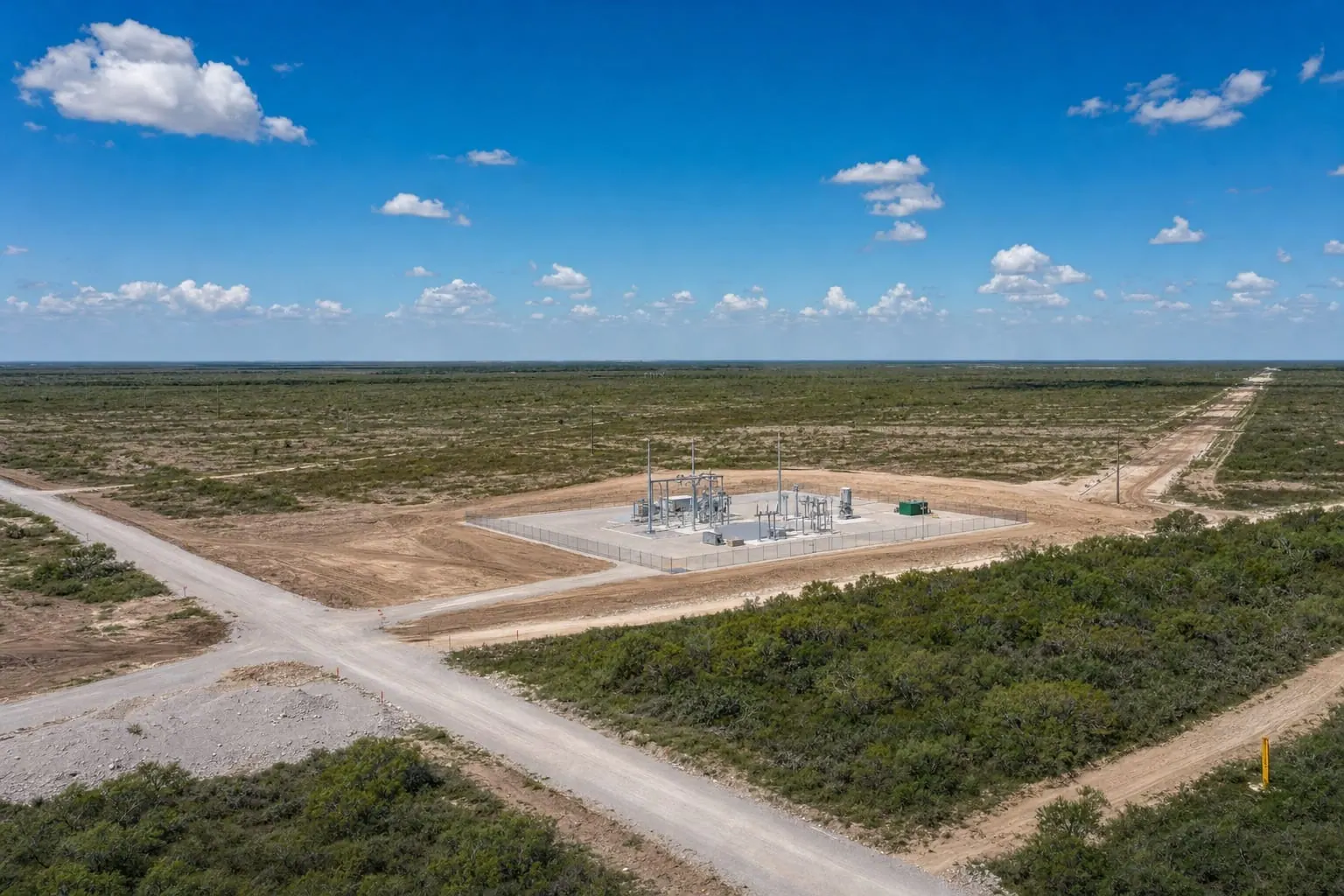
AI data center campus in South ERCOT, Texas
PacinfraX is developing an AI data center campus in South ERCOT, Texas, with on-site natural gas generation and battery storage designed alongside the halls. It serves hyperscalers, AI labs, neoclouds and enterprises that need energized capacity without waiting on the interconnection queue. The grid connects later as a bridge.
Page updated
Texas campus key facts
- Location
- South ERCOT, Texas
- Status
- AI campus in development
- Power
- On-site natural gas generation and battery storage
- Offering
- Build-to-suit, powered shell, AI and GPU colocation
Power path
Energize on site, bridge to the grid later
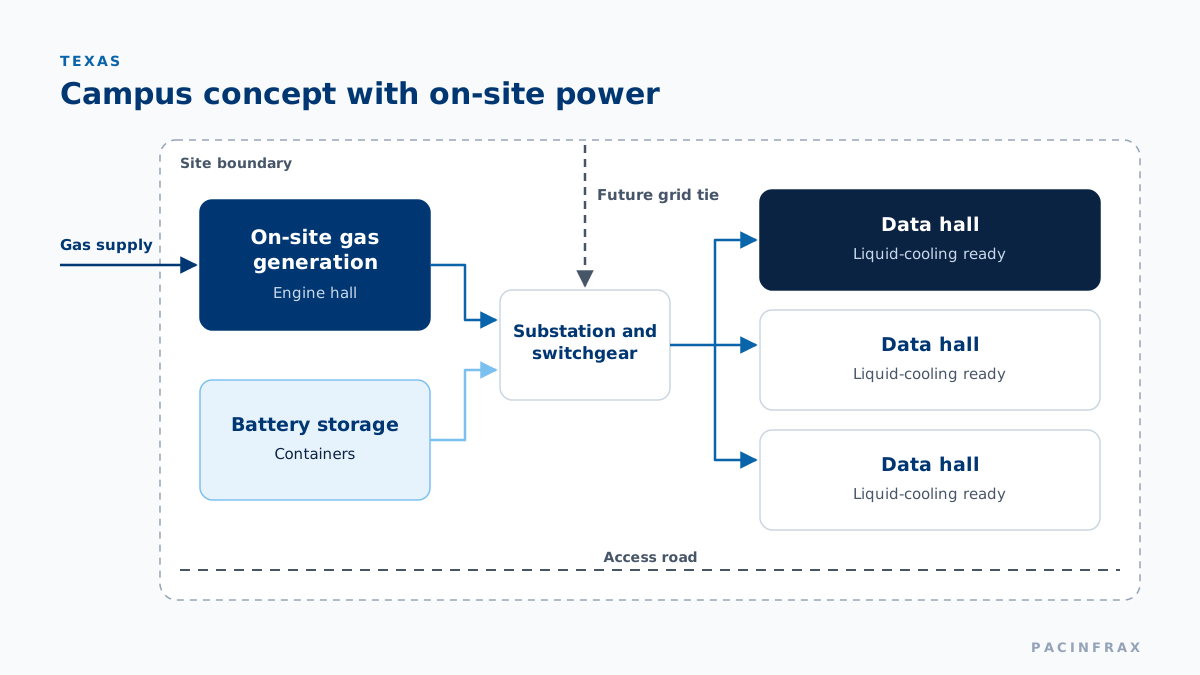
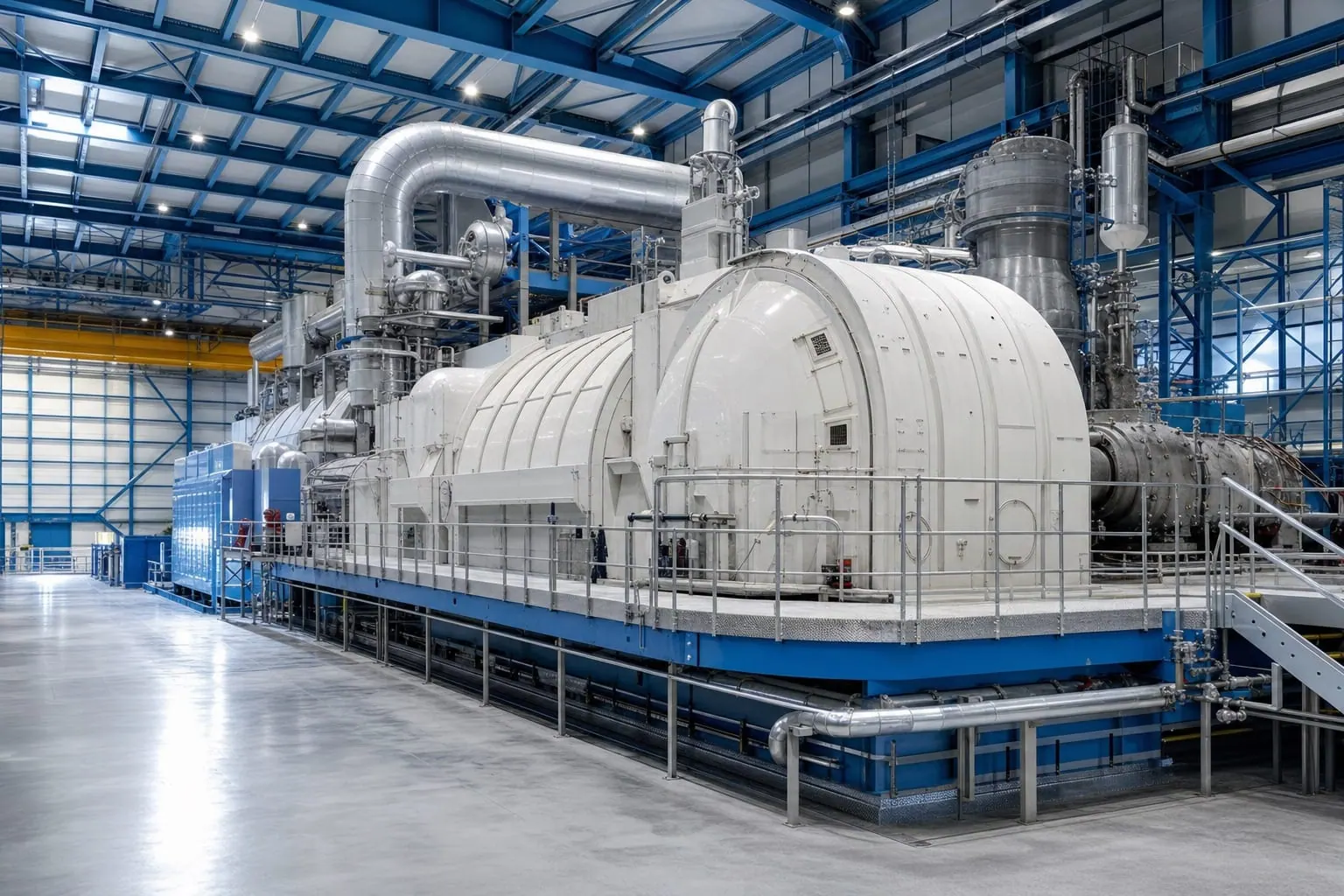
The Texas campus is built around its own power. Natural gas engines generate electricity on site, battery storage smooths the load and rides through changes, and switchgear feeds the data halls directly. Because generation sits beside the halls, your energization date follows construction, not a queue.
How the grid joins the on-site power later
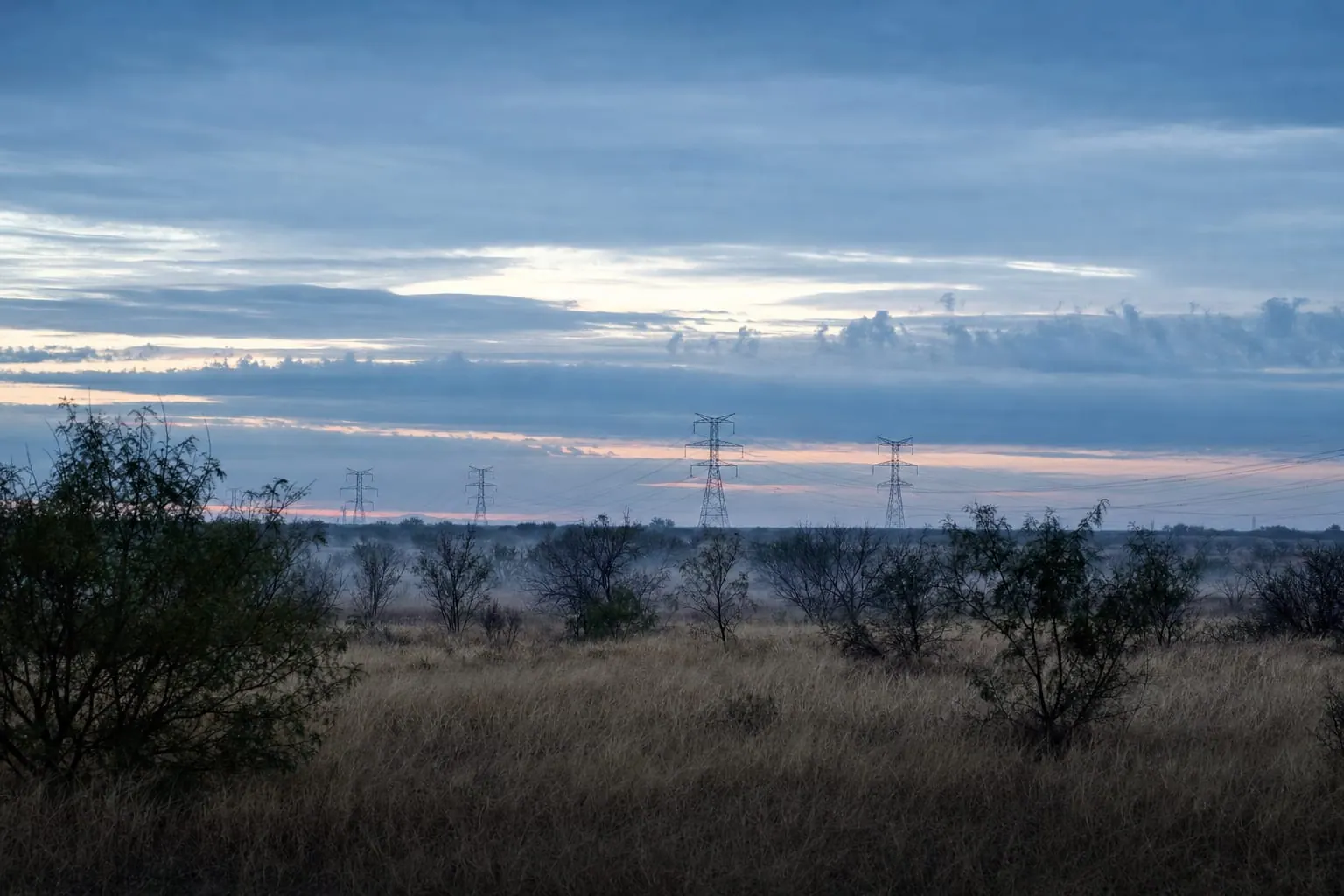
Grid interconnection is added as a bridge. Once it arrives, the campus runs with both sources, which gives you resilience that a single feed cannot. The design team sizes generation, storage and switchgear together with each hall block, so a new block adds power in step with load. Read the full model on data center power infrastructure, or compare the same approach at our other locations.
Diagram: Texas campus layout
Why South ERCOT region
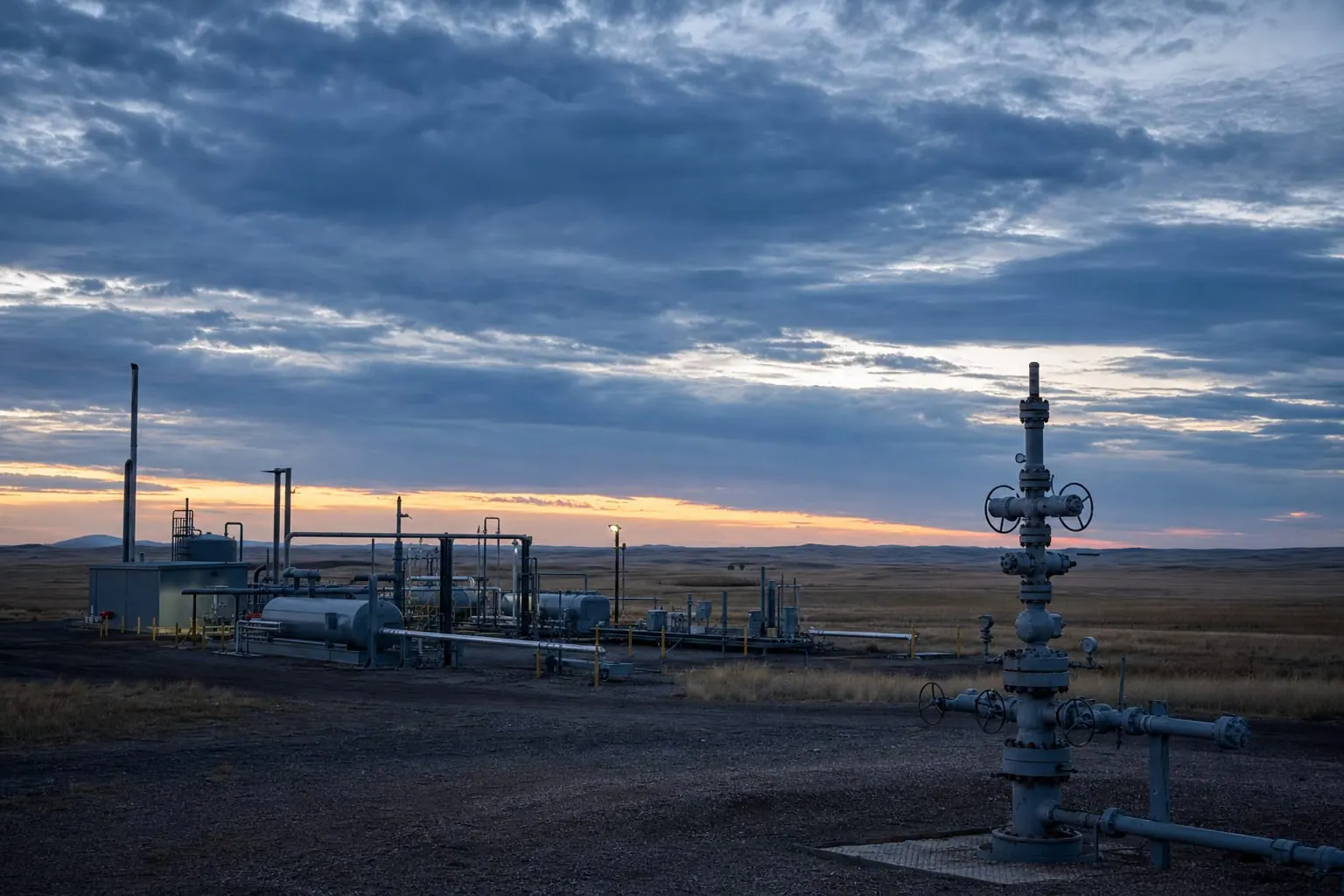
Flat land, gas supply and room to phase
We plan the Texas campus around open, level land for large halls and a power island, with on-site generation designed beside the halls.
Room to phase and on-site generation
- Room to phase. Halls are added block by block without moving the power plant.
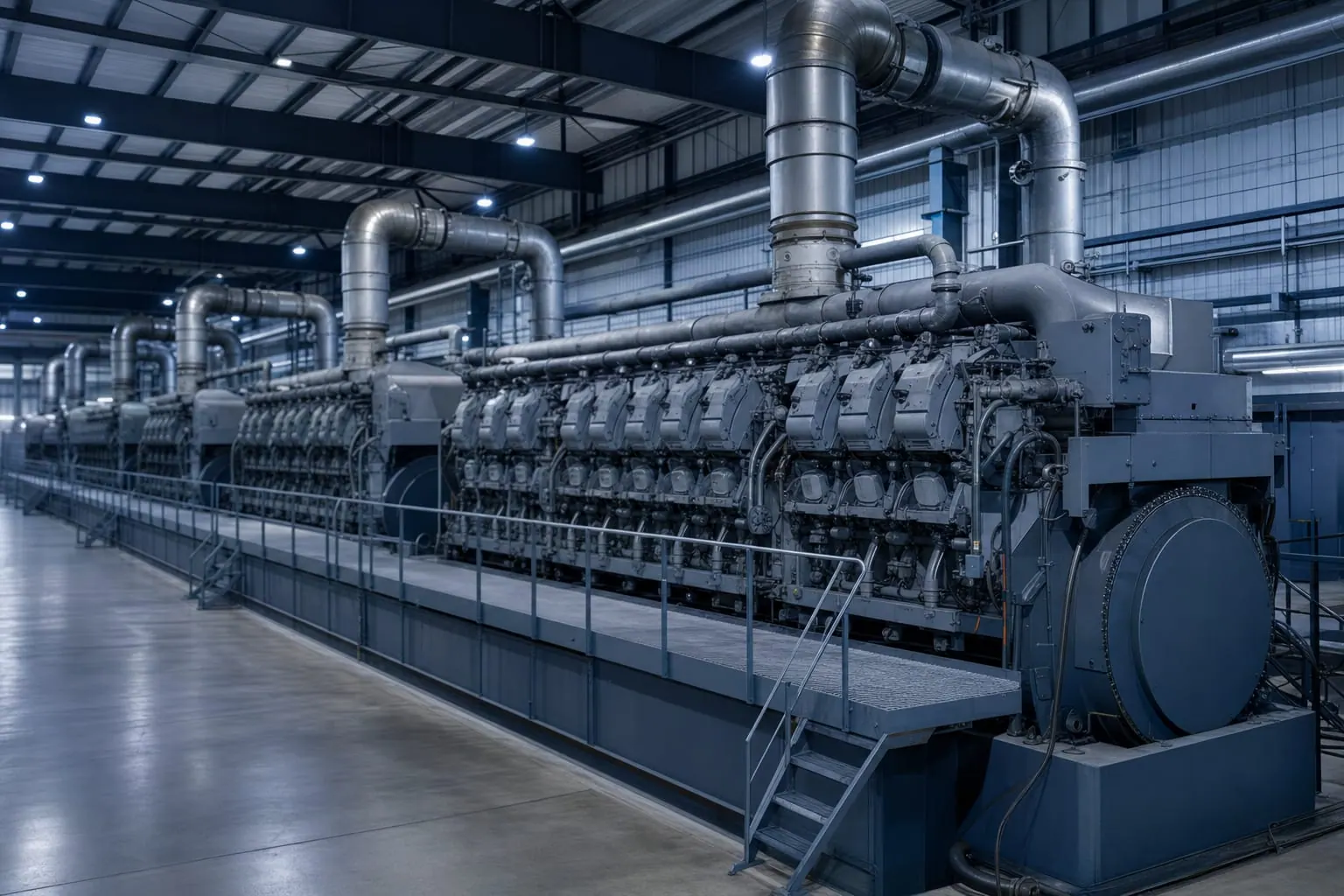
- On-site generation. Natural gas engines and storage sit beside the halls and are designed with them.
- Delivery planning. We plan equipment logistics for switchgear, engines and cooling plant early in the design.
What you can build here
Four ways to take capacity in Texas
Pick the model that matches how much of the build you want to own. The reference hall is the same in every model.
Photo: gas engine hall
-
Build-to-suit halls
We design a hall to your rack density, cooling method and fit-out schedule, then build it on the campus power island.
-
Powered shell
You receive an energized building with power, cooling plant and fibre entries, and you fit out the white space with your own team.
-
AI and GPU colocation
Liquid-cooling-ready halls let you place GPU clusters by the row or the hall without building anything yourself.
-
Phased growth
Start with the hall you need and add blocks on the same site as your load grows, with one design review for every phase.
Compare the models in detail on AI data centers or start with racks on AI colocation.
Design standard
What every Texas hall is designed around
Each hall is drawn as one system: power, cooling, network and security are designed together, so your engineers review one package instead of four.
Redundant power and liquid cooling
- Redundant power. Separate A and B feeds run from switchgear and UPS to every rack row.
- Liquid cooling ready. Coolant distribution, manifold space and floor loading are planned for dense GPU racks.
- Carrier-neutral network. A meet-me room and diverse fibre entries give carriers a clean path in.
- Layered security. Perimeter, building, hall and rack controls are specified in the design package.
See how colocation customers move in on the AI colocation page, and how hall blocks scale on AI data centers.
Choosing a path
Grid queue or on-site power: how the options compare
Large loads in Texas plan their grid relationship deliberately. ERCOT states that it manages power flow to more than 27 million Texas customers, about 90 percent of the state’s electric load, and a new multi-megawatt load enters a busy system.
Diagram: grid queue vs on site
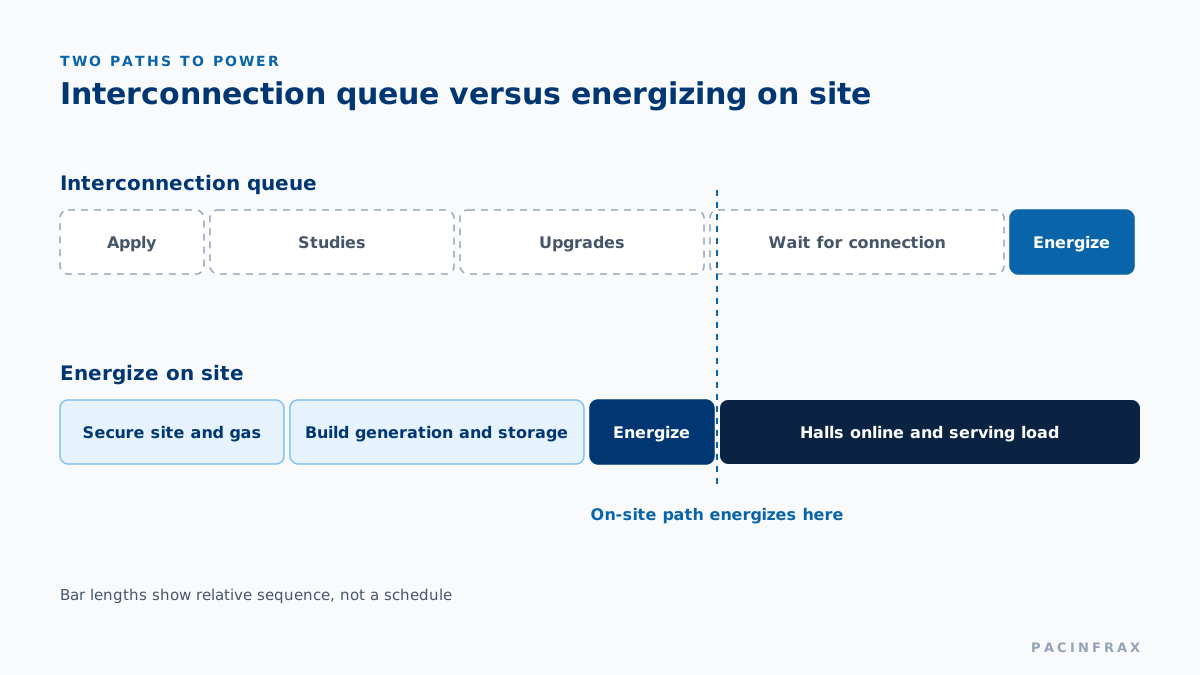
Waiting for the grid and energizing on site compared
| Path | How it works | Best for |
|---|---|---|
| Wait for a grid connection | Energization follows the interconnection queue and utility upgrades. | Operators who can stage deployment years out. |
| Energize on site, then bridge to grid | On-site generation and storage carry the load first; grid connects later as a bridge. | Buyers who need compute online on a defined schedule. |
Workforce and logistics
How we plan the team and the logistics
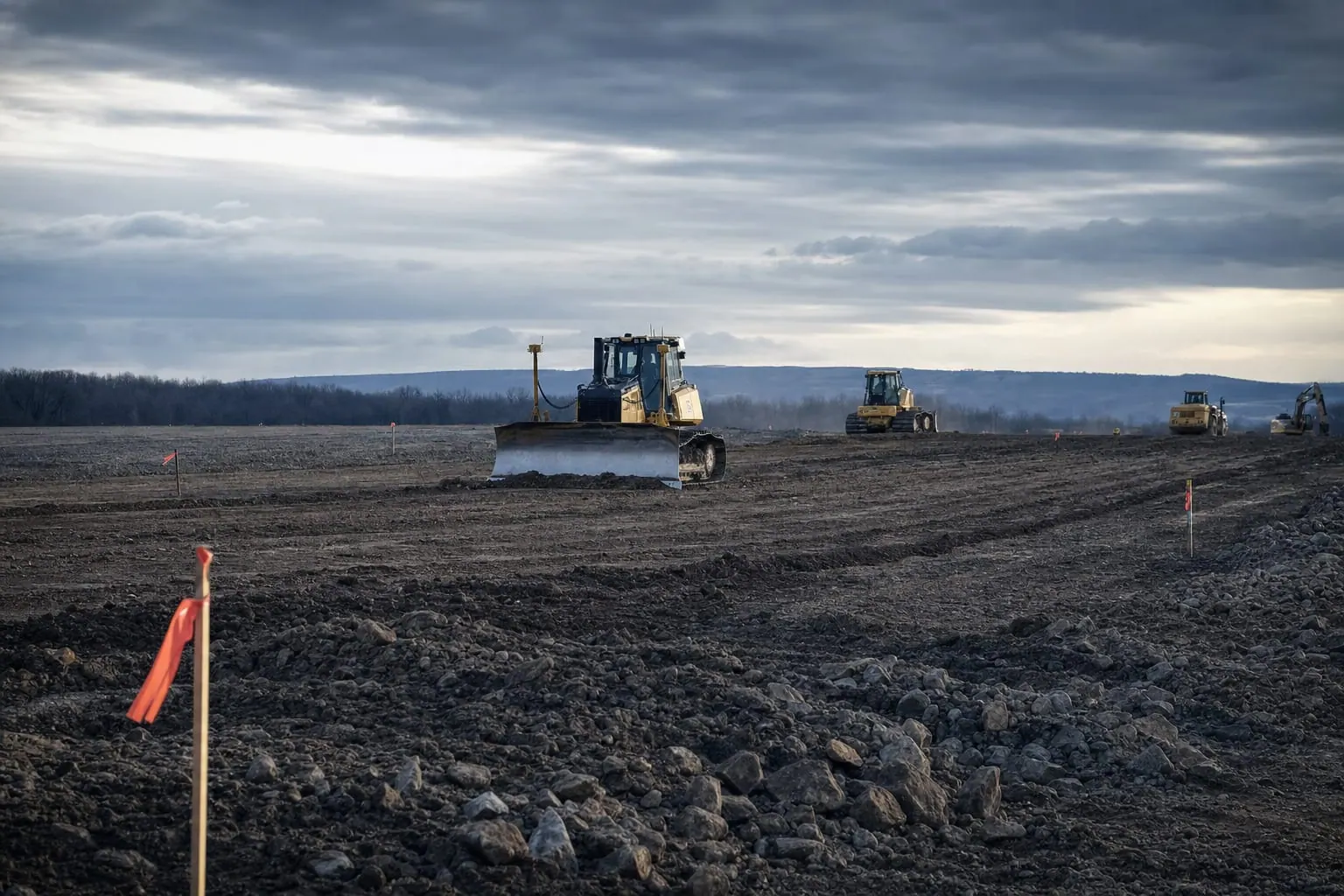
Building and running a campus takes electricians, mechanical and controls technicians, civil crews and operators. We recruit locally in Texas first, and open roles are listed under careers.
We plan the delivery of switchgear, engines and cooling plant with the construction schedule, so equipment arrives when the halls are ready for it. Public agencies and community groups can reach our team on the government and community page.
How we deliver
From requirement call to energized hall
-
Current step
Requirement call
You share load, timeline, cooling method and fit-out model. We reply within two business days.
-
Next
Design review
Your engineers review the reference hall and the campus power design with ours.
-
Next
Proposal and agreement
We issue a phased proposal with hall, power and delivery milestones, and agree terms.
-
Next
Build and energize
Halls rise on the campus while on-site generation and storage are commissioned alongside them.
-
Next
Operate and expand
Operations run on site, and the next block follows on the same campus when you need it.
How to engage
What to bring to the first call
Load, timeline, model and cooling
- Load. Total megawatts and the size of the first phase.
- Timeline. The date racks must be powered.
- Model. Build-to-suit, powered shell or colocation.
- Cooling. Air, rear-door or direct liquid cooling.
If you do not have every answer yet
If you do not have every answer yet, bring what you have. A first call works with a rough load range and a target quarter, and our engineers help you size the first hall, choose the cooling method and sequence later phases. After the call you receive a short written summary of the options we discussed, so your team can review them together.
Landowners, EPC firms and technology suppliers can start at partners. Read why this model works on why PacinfraX.
Questions
Texas data center FAQ
Where is the PacinfraX Texas campus?
The campus is in the South ERCOT region of Texas. It is an AI campus in development with on-site natural gas generation and battery storage.
How is the Texas campus powered?
On-site natural gas generation and battery storage supply the halls. The power plant is designed together with the data halls, and a grid connection follows as a bridge-to-grid path, so you energize without waiting on the interconnection queue.
How much capacity can I reserve in Texas?
Capacity is allocated hall by hall against your requirement. Request capacity with your load, timeline and fit-out model, and our team replies within two business days with the phase and hall that fit.
Can I bring liquid-cooled GPU racks?
Yes. Halls are liquid-cooling ready, so direct-to-chip and rear-door designs can be planned from the first drawing. See the cooling options on our AI data centers page.
3 more questions
What delivery models are available in Texas?
Build-to-suit, powered shell and AI colocation. Build-to-suit and powered shell suit hyperscalers and AI labs; colocation suits teams that want racks without a construction program.
What happens after I request capacity?
We reply within two business days, hold a requirement call, run a design review with your engineers, and issue a phased proposal. Each step has a named owner on our side.
Do you offer hydrogen or ammonia at the Texas campus?
Our hydrogen and ammonia program is a development effort co-located with campus power, for industrial and marine buyers. We are seeking technology partners and offtakers.
Reserve capacity in Texas.
Tell us the load you need, your timing and your fit-out model. We reply within two business days.