
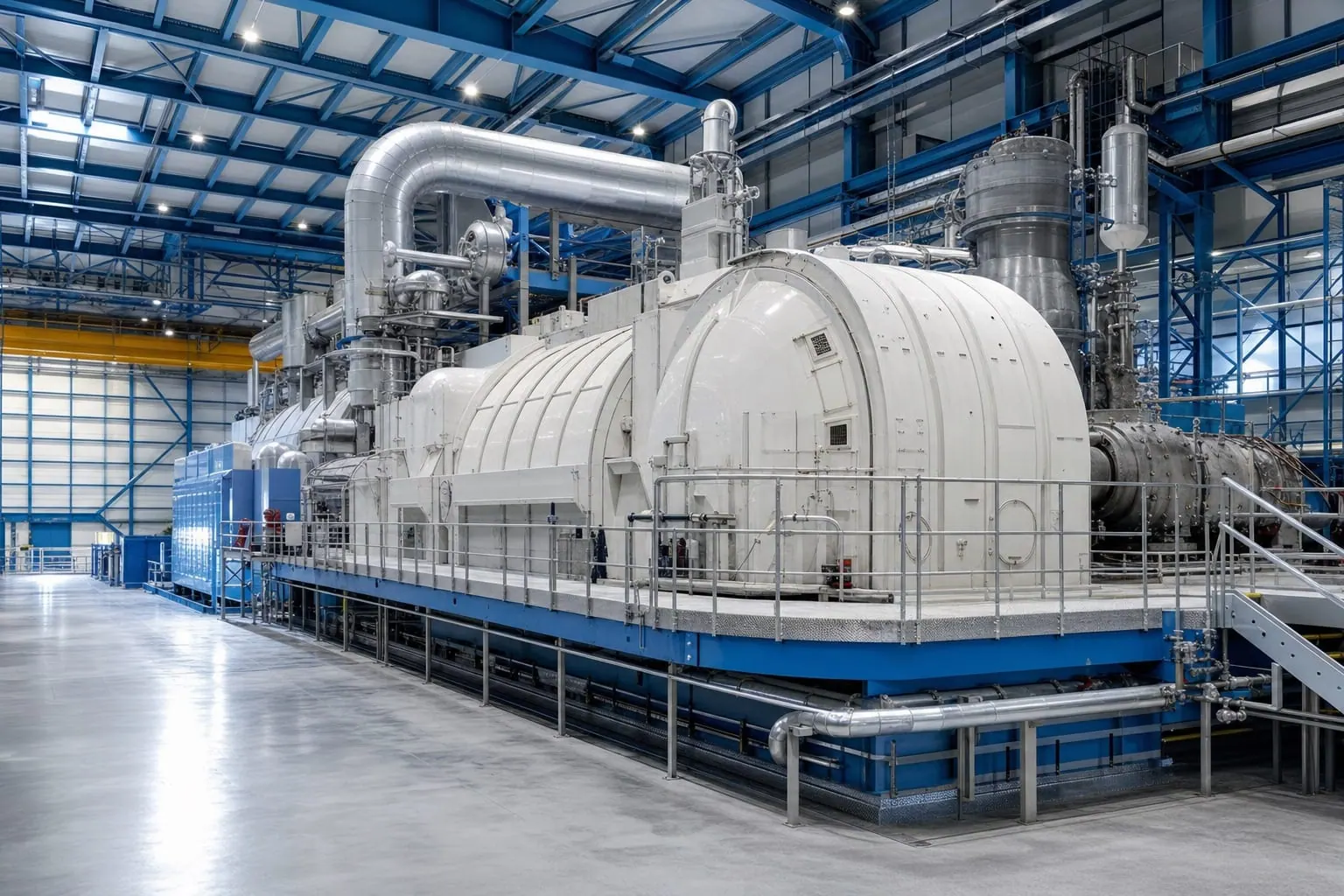
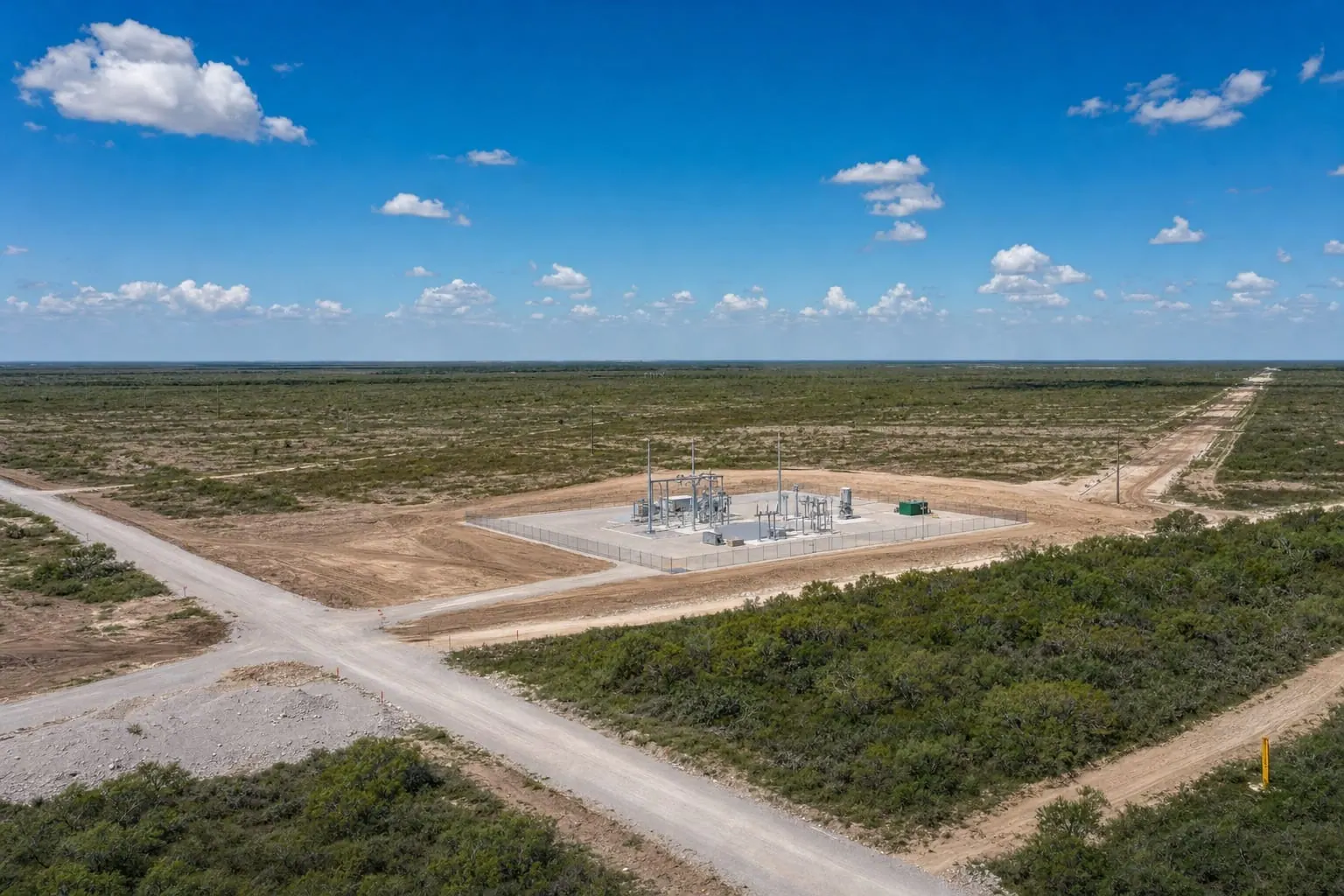
South ERCOT, Texas
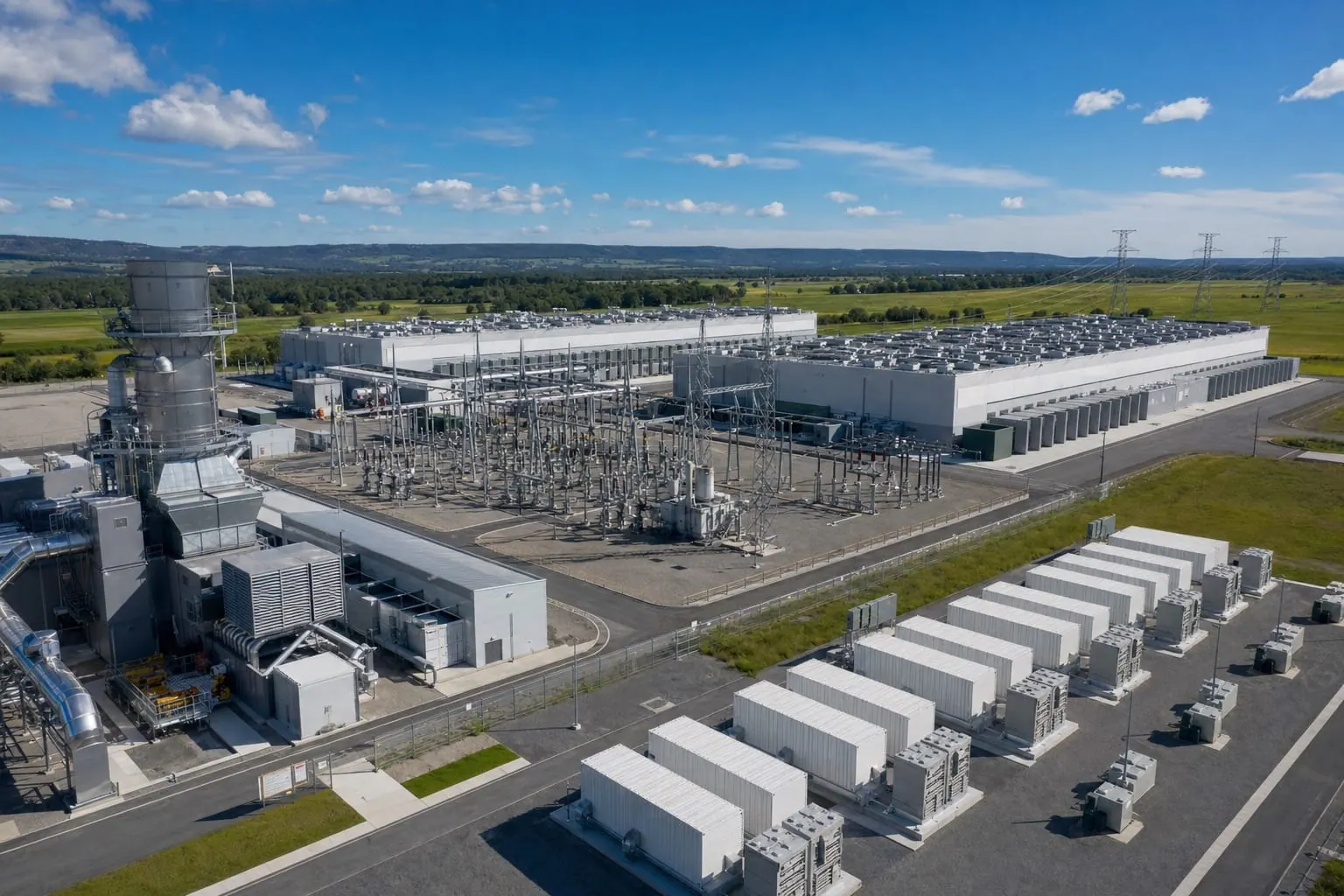
An AI campus in development with on-site gas generation and storage, planned so halls energize without waiting on the interconnection queue.
Explore the Texas campus →Solutions · Power Infrastructure · On-site generation
On-site power generation puts a natural gas power plant next to your data halls. Reciprocating engines or turbines supply continuous power to the campus in redundant units, and PacinfraX builds the plant, the fuel connection and the switchgear with the halls, so your capacity energizes on a date set by the campus schedule.
Updated
1,200MW
Planned in Vietnam
4
Site agreements in Vietnam
10–50MW
Hyperscale block size
3
Markets: Texas, Minnesota, Vietnam
Who it's for
On-site generation is for customers whose schedule depends on power. If your cluster is ready before the grid is, a plant on the campus turns a waiting period into an operating one.
Power for training clusters, delivered to the same date as the hall.
Energized capacity sooner, with redundancy that matches the service you sell.
Dedicated AI capacity with firm, on-site power.
Interested in fuel, EPC or equipment supply? Write to [email protected] or use the supplier route.
What you get
The plant is built with the halls on one schedule, so energization follows your campus program, not a utility study.
Several machines share the load, so one can be serviced while the others run.
Units are added block by block as your campus grows from 10 MW toward 50 MW and beyond.
Pipeline natural gas with a metering station at the campus boundary.
Exhaust and jacket heat are planned from the start, so they feed cooling or are rejected cleanly.
Plant, switchgear and halls share a single schedule and a single point of contact.
Topology
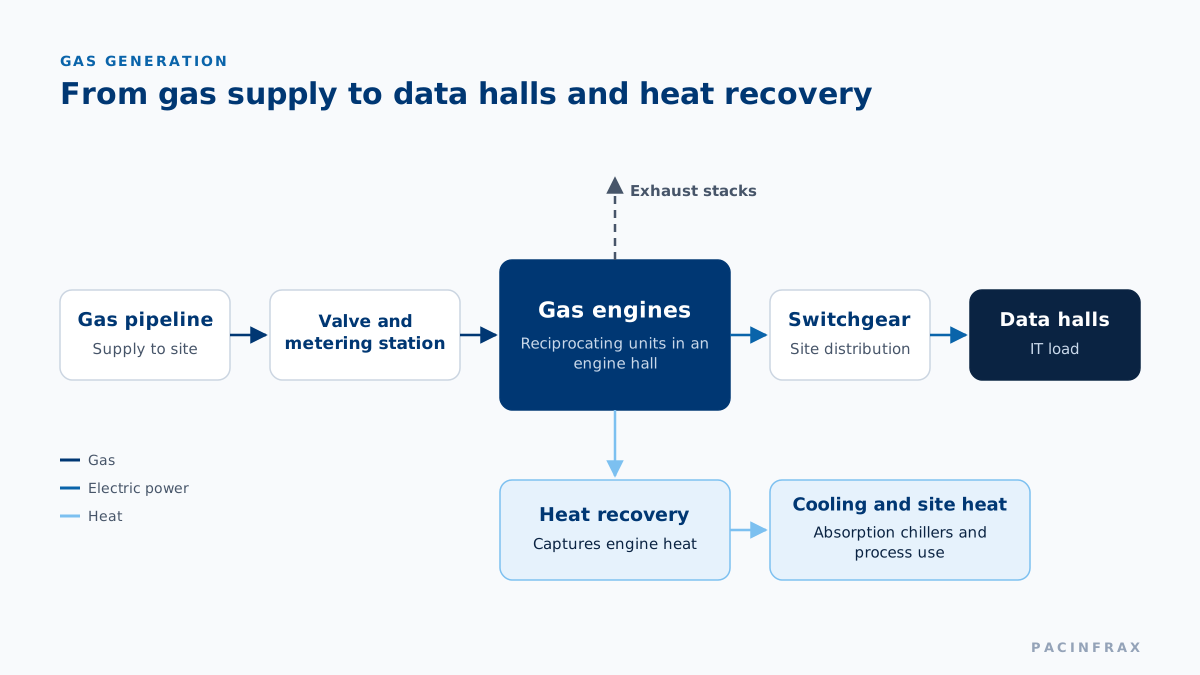
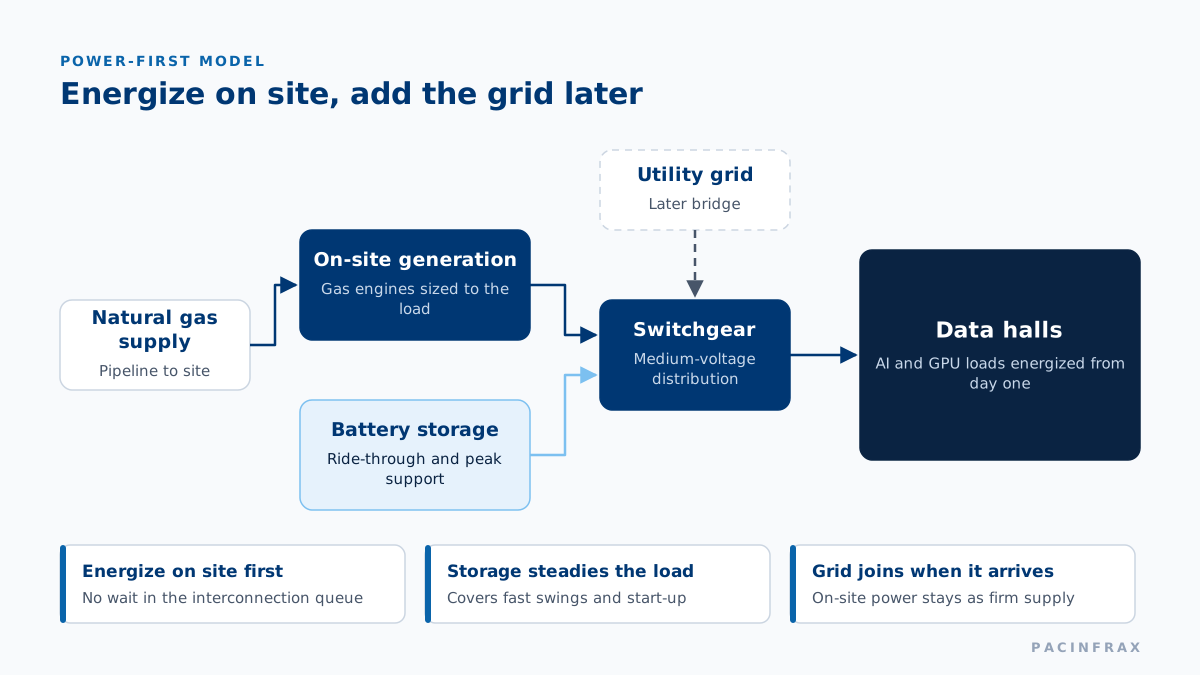
Natural gas arrives by pipeline at a valve and metering station. Engines or turbines convert it to electricity, switchgear combines the units and routes power to the halls, and heat recovery equipment captures useful heat where the design calls for it.
The storage layer that steadies this plant is covered on battery storage.
How we deliver
Next
We turn your megawatts, ramp and redundancy target into a unit count and block plan.
Next
Pipeline gas supply, metering and a valve station are planned and lined up for the campus.
Next
Air, construction and safety permits are prepared alongside the site layout.
Next
Engines or turbines, switchgear and controls are installed beside the halls.
Next
Units are tested alone and together, then with storage and the halls.
Next
A campus team runs the plant, with a maintenance program planned from day one.
Engines or turbines
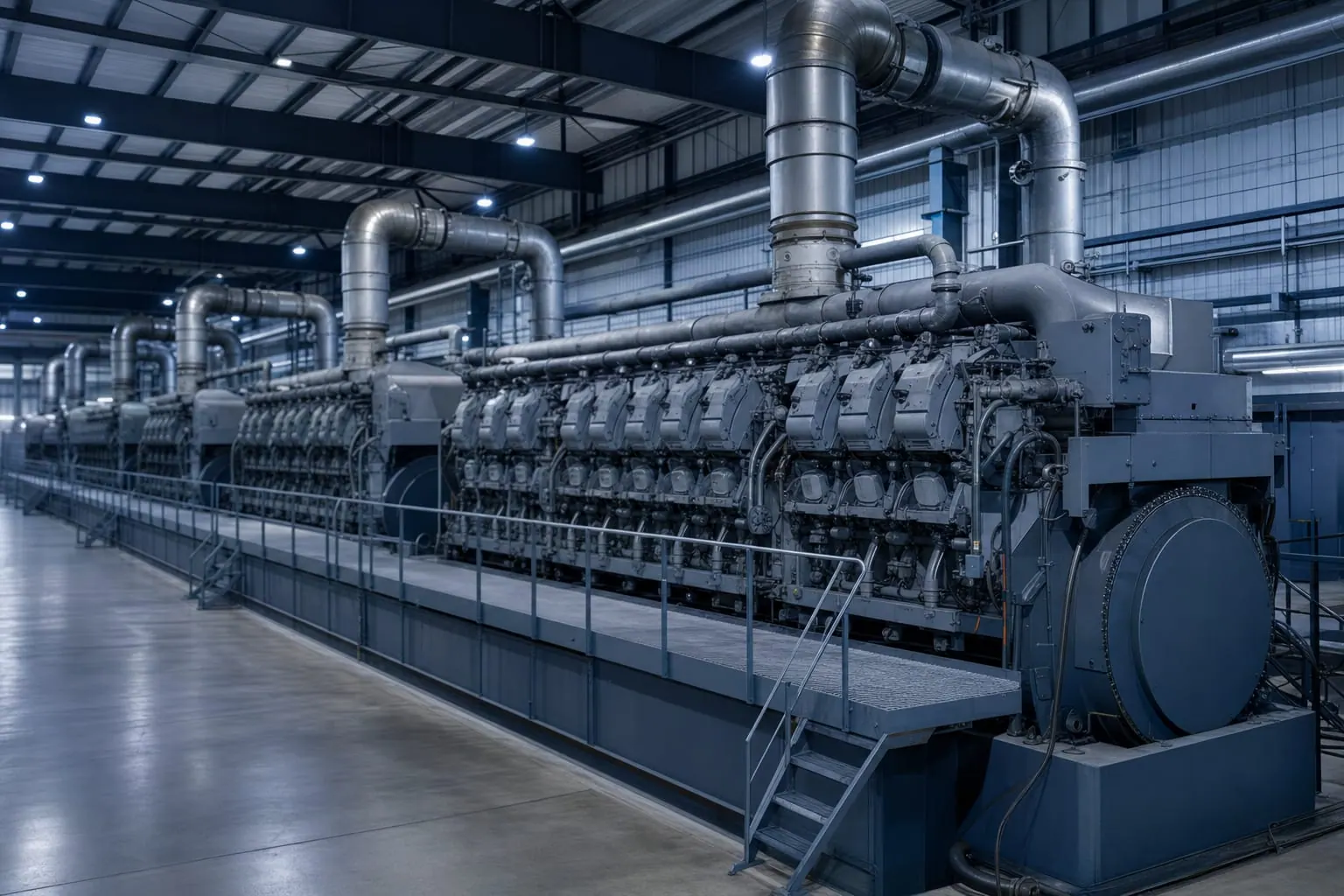
Both machines are standard in power generation, and each has strengths. We choose per campus, and a campus can use both.
| Consideration | Reciprocating engines | Gas turbines |
|---|---|---|
| Unit size | Smaller units, added in many steps | Larger units, added in fewer steps |
| Growth pattern | Fits modular, block-by-block campuses | Fits large single blocks |
| Part-load behavior | Efficient across a wide load range | Most efficient near full load |
| Redundancy | Many units make N+X easy | Fewer, larger units need careful arrangement |
| Heat recovery | Jacket water and exhaust heat available | High-temperature exhaust heat available |
Fuel supply
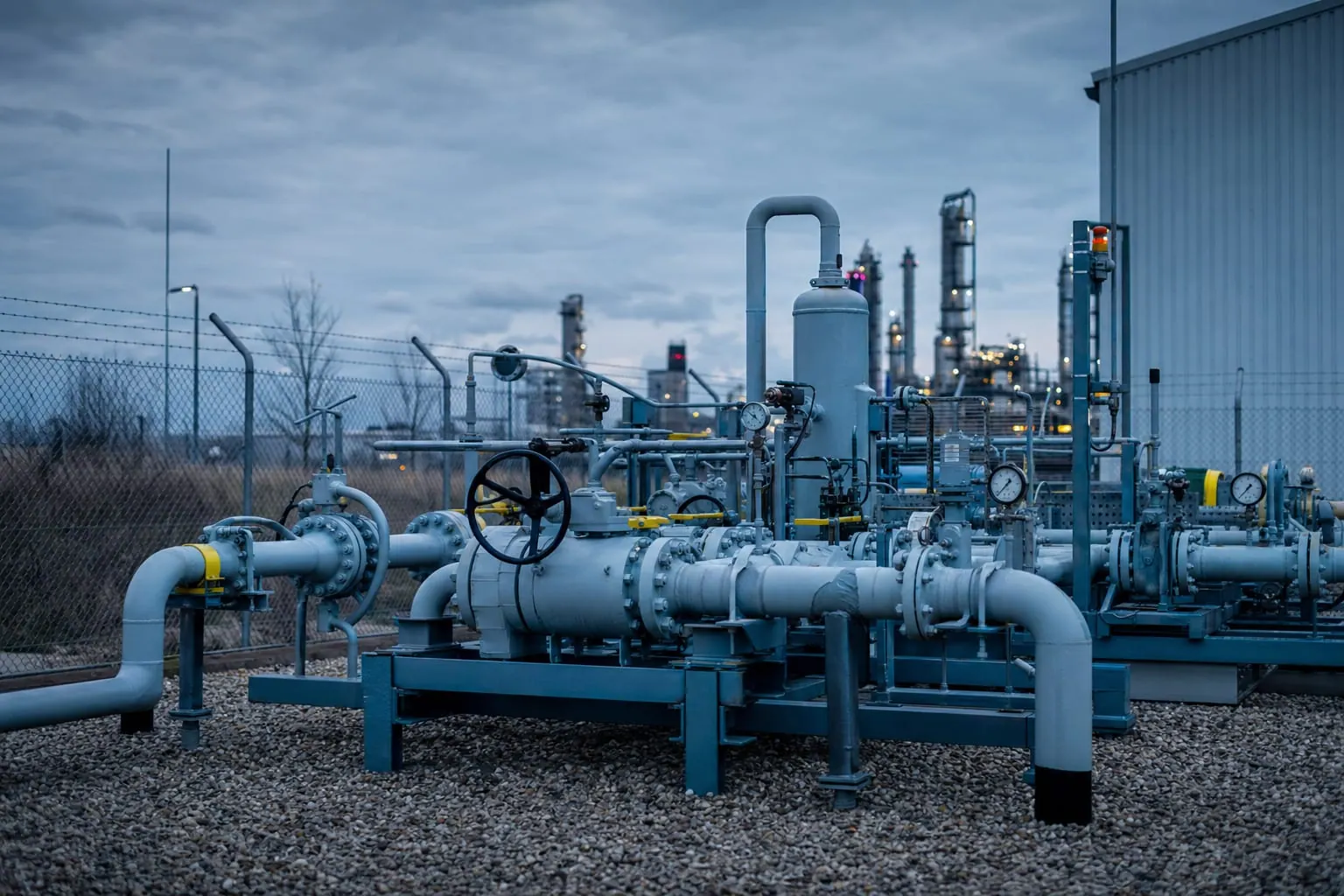
A reliable plant starts with reliable fuel. We plan the pipeline connection, pressure regulation and metering as part of the campus design. A valve station at the boundary lets operators isolate the plant, and gas detection covers the plant zone.
The South ERCOT campus in development is planned around on-site generation and storage. Each campus gets its own fuel plan, agreed with the supplier before construction.
Design basis
| Element | Design intent |
|---|---|
| Redundancy | N+X unit arrangement agreed per hall, with maintenance without loss of load. |
| Emissions | Controls and monitoring designed to the permit for each site. |
| Heat | Heat recovery or clean rejection planned into the cooling concept. |
| Noise | Enclosures and siting set for neighbors and campus staff. |
| Controls | Plant controls integrated with the campus control room and the storage system. |
| Maintenance | Planned service intervals and spares held for the machine type. |
Emissions permitting varies by site and fuel. We prepare the permit with the plant layout and agree conditions with the regulator before construction.
Reliability
A single large machine is a single point of failure. We arrange the plant as several units behind switchgear that can isolate any one of them, so a fault or a service visit removes a slice of capacity and leaves the rest of the campus running.
Storage sits beside the plant to cover the seconds when a unit trips or load steps up, and the grid bridge adds a second source later. Together the three layers give each hall a supply path that is built for the redundancy level you chose.
Where available
South ERCOT, Texas is planned around on-site gas generation and storage.
An AI campus in development with on-site gas generation and storage, planned so halls energize without waiting on the interconnection queue.
Explore the Texas campus →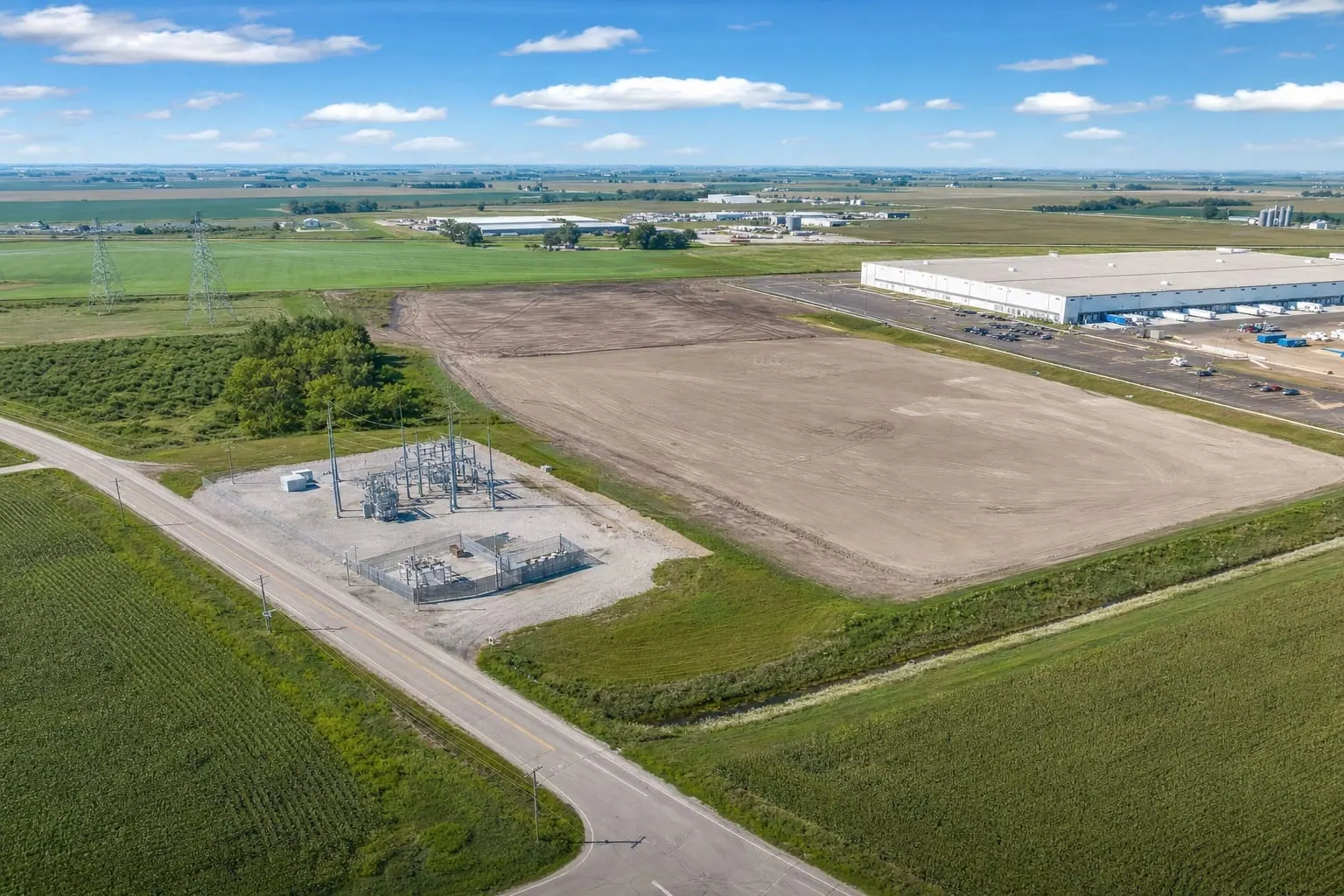
Minnesota, powered industrial site.
Explore the Minnesota site →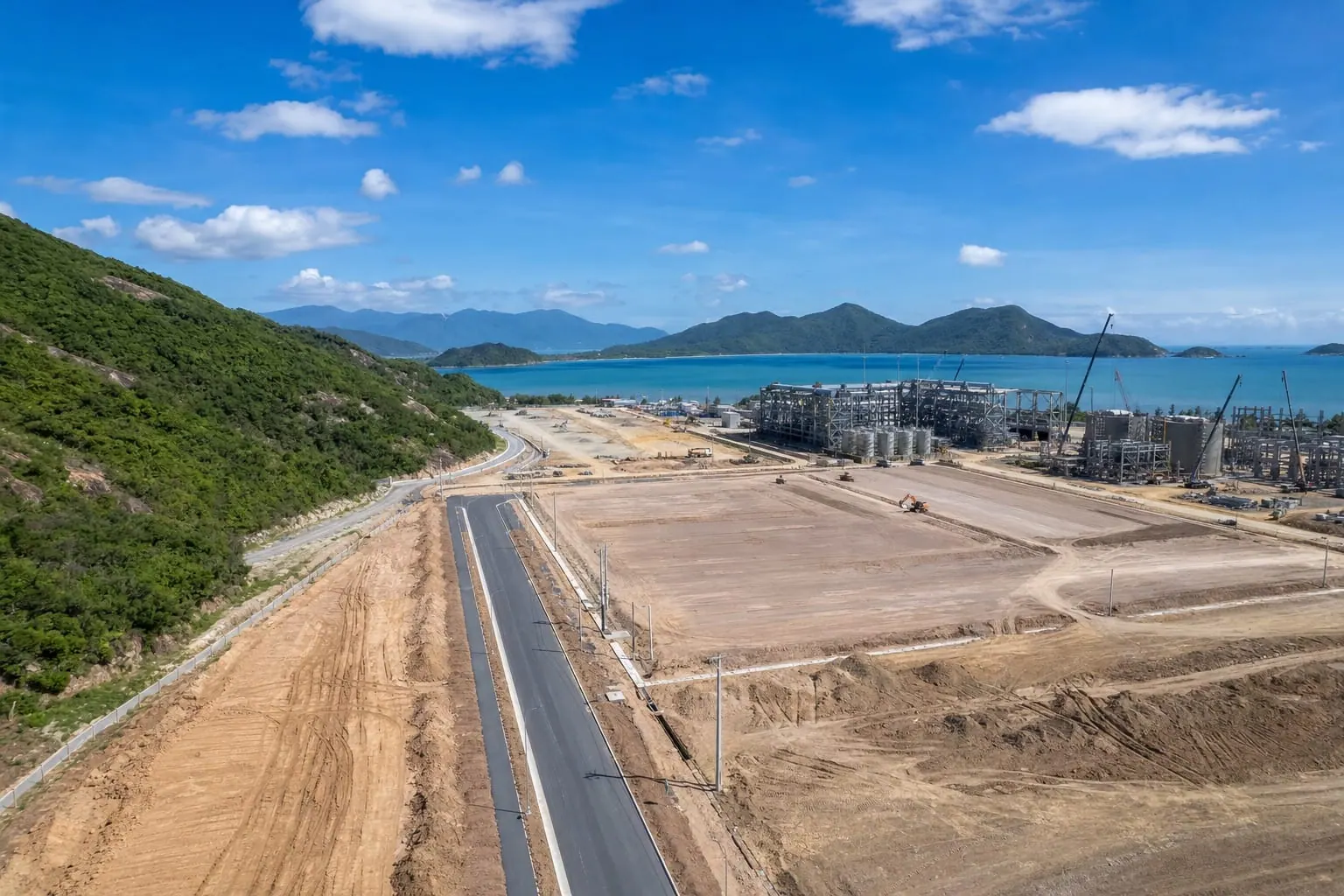
1,200 MW planned across four sites. Nam Thang Binh, Da Nang leads with 200 MW and a 20 MW phase 1 targeted for 2026–2027.
Explore Vietnam sites →Next step
Send us your megawatts, the date you need power and your redundancy target. We reply with a plant concept, a fuel plan and a schedule. Read more on power infrastructure and bridge to grid, or see AI data centers.
FAQ
It is a power plant built on the data center campus, so the halls run on their own supply instead of waiting for the grid.
Natural gas delivered by pipeline, metered and regulated at a valve station on the campus boundary.
Both are standard technology. Engines suit modular growth and part-load efficiency; turbines suit larger single blocks. We select per campus.
The plant is arranged in several units, usually N+X, so one machine can be serviced while others carry the load.
Each plant is designed to the air permit for its site, with emission controls and monitoring included in the design.
Yes. Heat recovery can feed the cooling concept where the design calls for it; otherwise heat is rejected cleanly.
The grid joins the switchgear as another source. Read about bridge to grid on our power infrastructure pages.
South ERCOT, Texas is planned around on-site generation and storage; Minnesota, powered industrial site; and Vietnam.
Request capacity
Tell us how many megawatts you need, where and when. We come back with a plant concept, a fuel plan and a delivery schedule.
Request capacity or write to [email protected].
One form, one team. Requests go through our contact page and reach the capacity team directly.
Request capacityPower-first AI capacity
Request capacityTalk to PacinfraX
We reply within two business days. WhatsApp and email work at any hour.