Start with the unit: megawatts of what?
A megawatt is a rate of power. A 50 MW AI campus can mean three different things, and buyers mix them up.
- IT load: the power drawn by servers, storage and network equipment.
- Facility load: IT load plus cooling, electrical losses and building systems.
- Utility or site capacity: the largest supply the site can deliver, which must cover facility load plus headroom.
Power usage effectiveness (PUE) is the ratio of facility load to IT load. A lower PUE means less power spent on cooling and losses. Direct liquid cooling usually lowers it because pumps move heat with less energy than large air handlers.
The arithmetic: from megawatts to racks
The formula has two lines. The inputs below are example densities you can replace with the figure from your hardware vendor.
- Racks = IT load in kilowatts ÷ kilowatts per rack.
- Facility power = IT load × PUE.
| Rack type (example input) | Power per rack | Racks in 50 MW of IT load |
|---|---|---|
| Air-cooled enterprise racks Conventional air cooling, mixed workloads | 10 kW | 5,000 |
| Dense racks with rear-door cooling Higher-density training or inference rows | 40 kW | 1,250 |
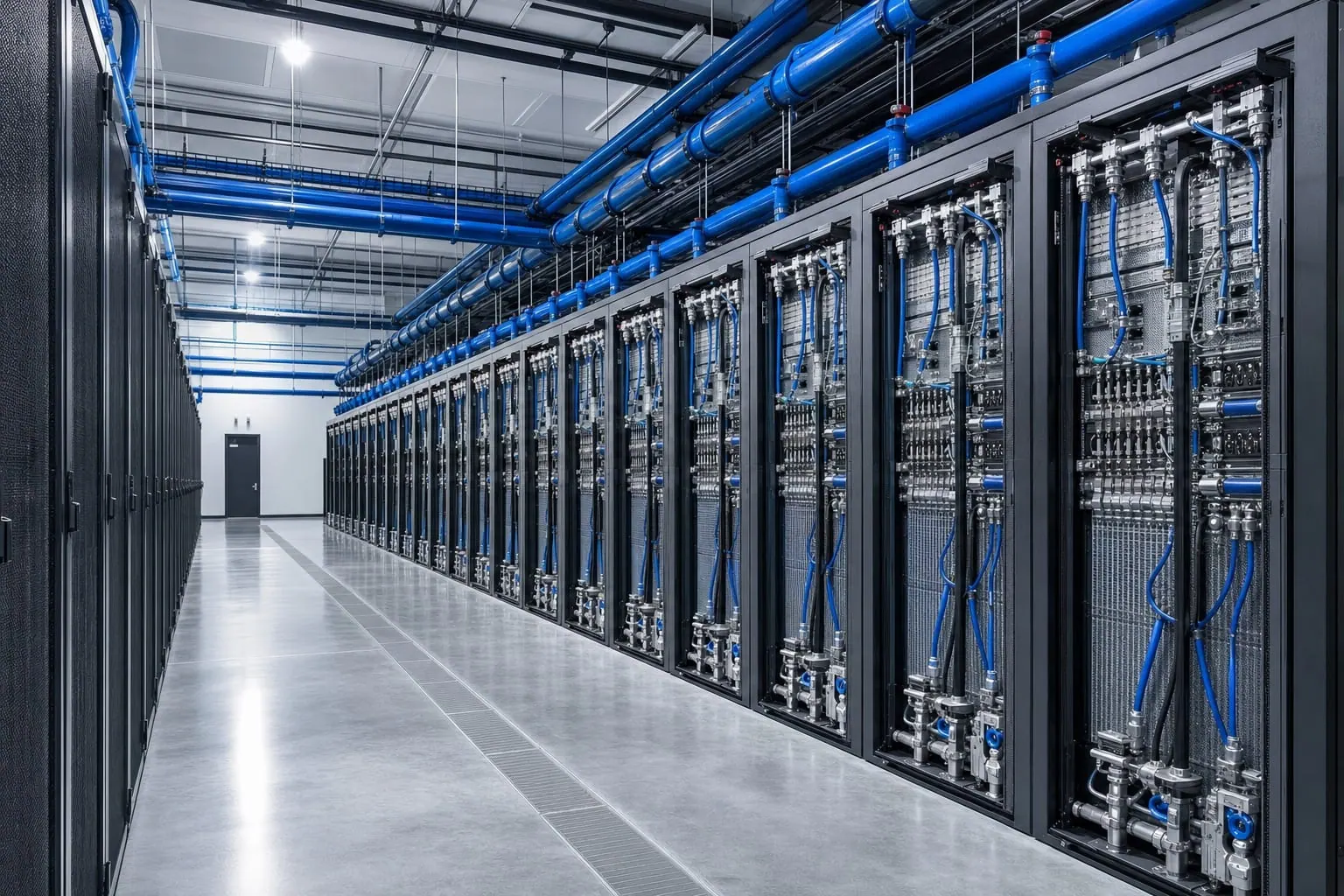
| Direct liquid-cooled GPU racks Liquid loop at the rack, GPU clusters | 100 kW | 500 |
Worked example for facility power: with an example PUE of 1.2, 50 MW of IT load needs 60 MW of facility power. Change either input and the answer moves in proportion.
Read the table as a range, not a forecast. A real 50 MW deployment often mixes rack types: dense GPU rows for training, lower-density rows for storage and networking, and a share of power held back for growth. Count each group separately, then add the results.
Density drives everything else. Higher kilowatts per rack means fewer racks, a smaller floor, more cooling work at each rack and heavier electrical distribution per row.
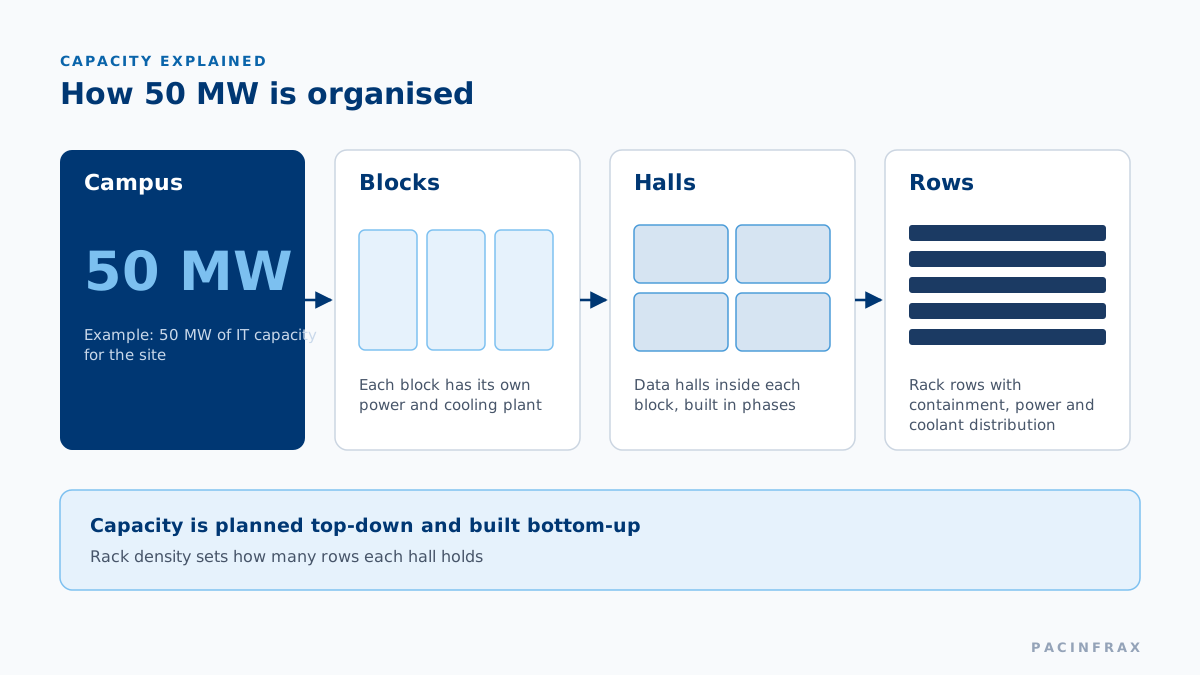
How 50 MW is organized: blocks, halls, rows
Nobody builds 50 MW as one room. The campus is split so that each part can be built, tested and energized on its own.
- Block: a self-contained slice of capacity with its own electrical and cooling plant. PacinfraX hyperscale blocks run from 10 to 50 MW.
- Hall: a data hall inside a block. Halls let you fill capacity in steps as hardware arrives.
- Row: a line of racks sharing containment, busway and cooling connections.
- Rack: the unit you buy, with its own dual power feeds and, for GPUs, coolant connections.
As an example split, ten halls of 5 MW each deliver 50 MW; hall size is set in your design review. You might energize two halls first, then add the rest as clusters arrive. The AI data centers page shows how blocks are delivered.
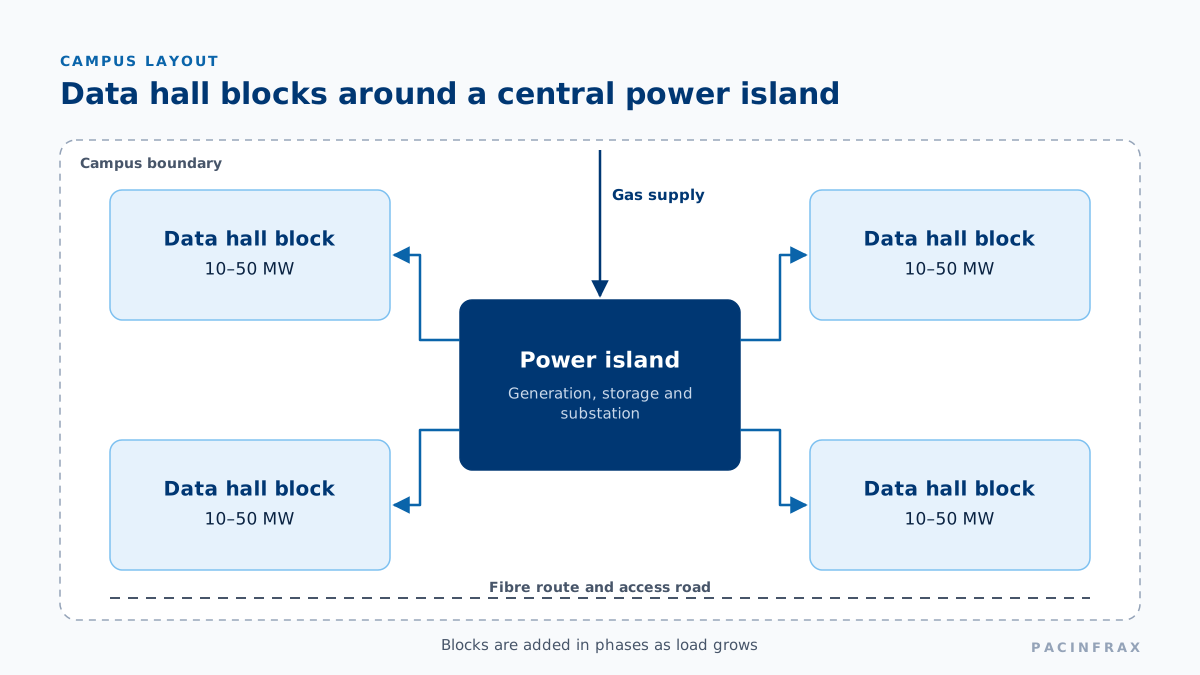
The power plant behind 50 MW
The electrical system must carry the facility load with a margin for faults and maintenance. A 50 MW campus typically uses four layers.
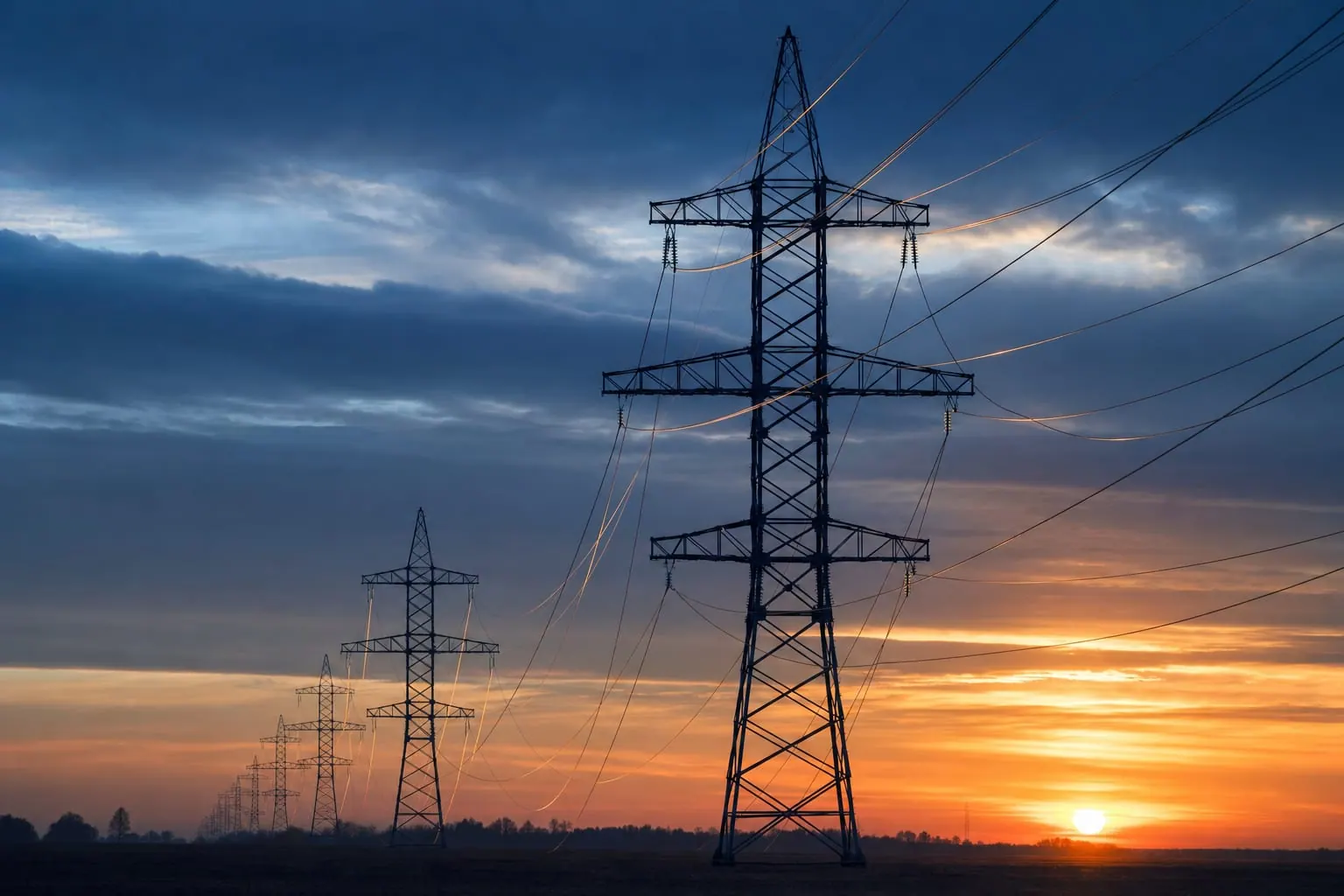
- Generation: on-site natural gas generating units, sized for the full load with spare units, or a utility supply at the meter.
- Battery storage: carries load through switchovers and smooths the sharp swings of GPU training.
- Switchgear and transformers: split power into independent paths.
- UPS and distribution: deliver clean A and B feeds to every rack.
Redundancy is a design choice. More spare capacity raises cost and improves resilience; you set the level hall by hall to match the workload. Training clusters often accept less redundancy than latency-sensitive inference. See on-site generation and battery storage for how each layer works.
Cooling 50 MW of heat
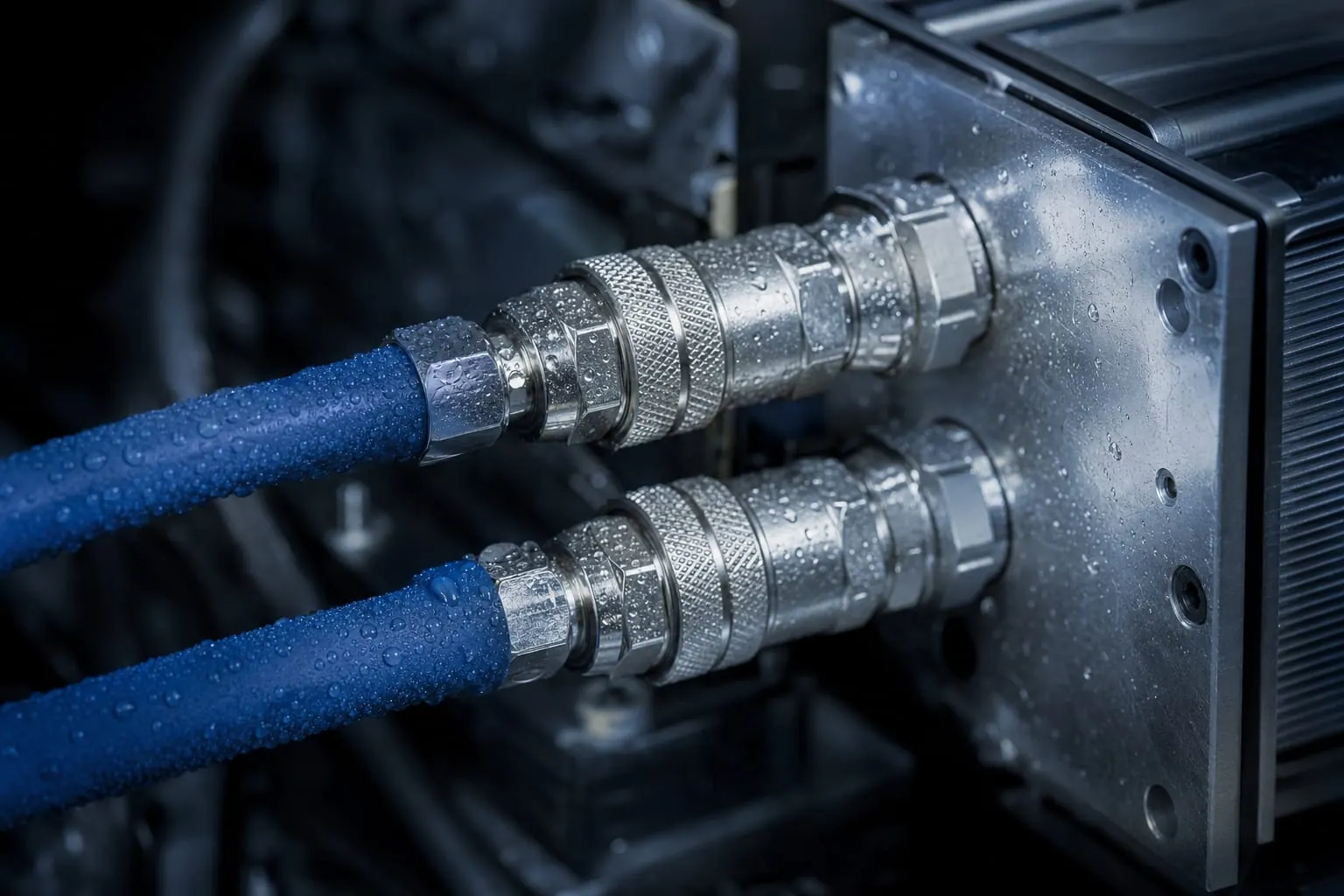
Every watt that goes into a server becomes heat, so 50 MW of IT load means rejecting at least 50 MW of heat. Air cooling alone becomes hard as density rises. Direct liquid cooling takes heat at the chip and moves it through a closed loop to heat exchangers outside the hall.

Choose the cooling approach before you finalize the electrical design, because the two set each other limits. Our liquid cooling guide compares the options.
Phasing: how a 50 MW requirement actually lands
Hardware arrives in waves, so capacity should too. A phased plan reduces the cost of idle power and spreads delivery risk.
| Phase | What is energized | Your action |
|---|---|---|
| Phase 1 | First hall and its share of the power plant | Install the first cluster |
| Phase 2 | Additional halls on the same block | Add clusters as supply arrives |
| Phase 3 | Remaining halls, or the next block | Scale to full load |
The contract should name each phase, its date and the capacity reserved for the phases that follow. Ask what happens if you add a phase early, delay one, or need to move capacity between halls, so the plan stays flexible when hardware schedules change.
Five sizing mistakes to avoid
- Mixing IT and facility megawatts. Write both numbers into the requirement. A site that delivers 50 MW of facility power gives you less than 50 MW of IT load.
- Sizing for the average. GPU clusters swing quickly between idle and full load. Size generation, storage and switchgear for the peak.
- Ignoring density growth. Rack power has risen with each hardware generation. Leave electrical and cooling room for the next generation, not only the one you buy today.
- Buying all the capacity on day one. Paying for idle megawatts is costly. Phase the capacity to match hardware delivery.
- Deciding cooling last. Cooling changes floor layout, pipe routes and electrical design. Decide it with the power plan.
Inputs to send with your request
- IT load in megawatts, and whether it is a peak or a committed figure.
- Rack count and kilowatts per rack, or your hardware model.
- Cooling method: air, rear-door or direct liquid.
- Target energization quarter and the phase sizes you expect.
- Preferred market and any data residency needs.
How PacinfraX does it
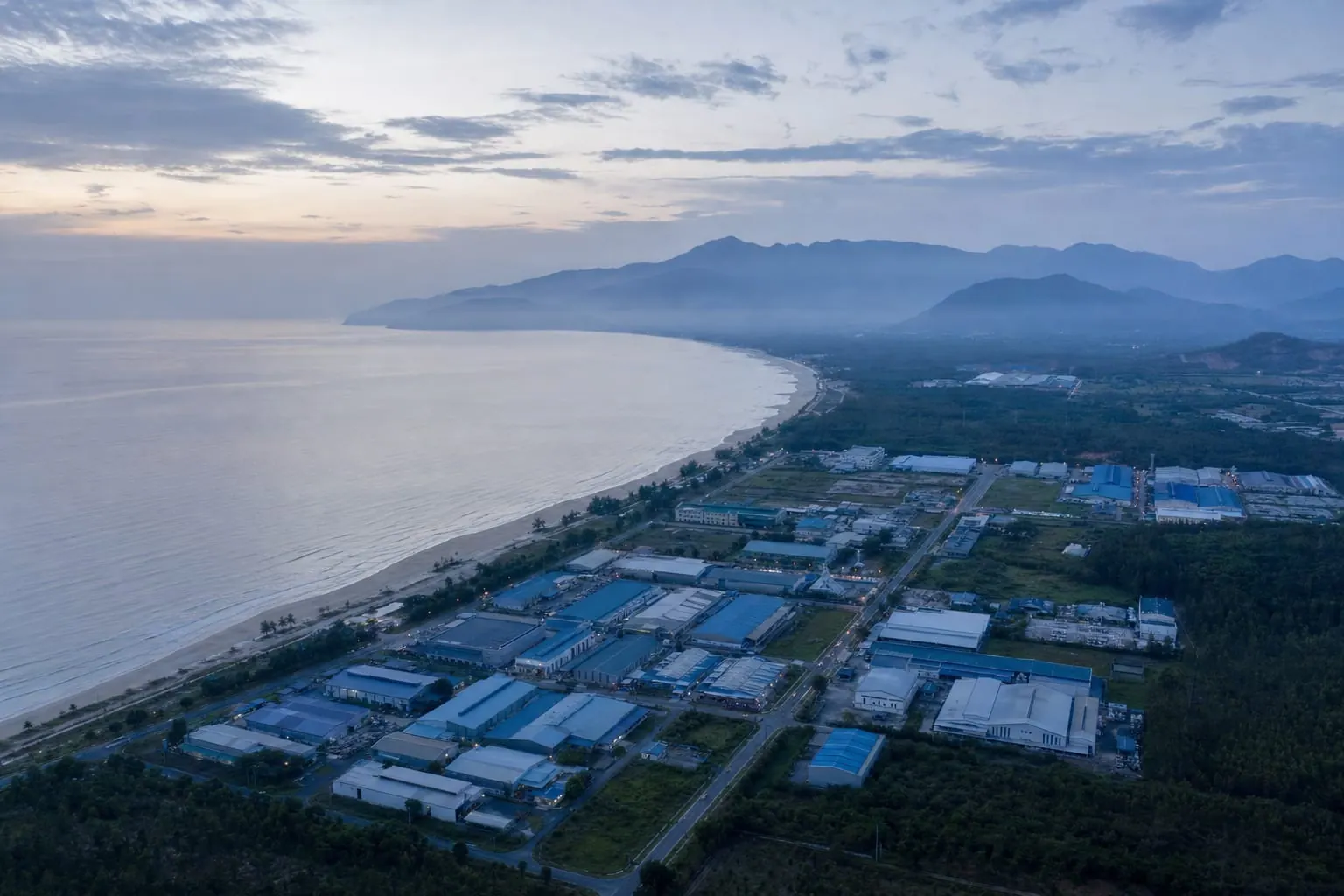
PacinfraX delivers hyperscale blocks of 10 to 50 MW on power-first campuses, with on-site natural gas generation, battery storage and a bridge-to-grid path. Our campuses include an AI campus in South ERCOT, Texas, a powered industrial site in Minnesota and four sites in Vietnam; read the Texas and Vietnam pages.
To size your own requirement, use the arithmetic above and send us the inputs. Our guide on writing an RFP for AI capacity covers the eleven parts of an RFP, ten questions to ask and how to score responses.
Frequently asked questions
Is 50 MW the IT load or the total facility load?
State which one you mean. IT load is the power your servers draw. Facility load adds cooling, losses and building systems, so it is higher. Multiply IT load by PUE to estimate it, and make the contract say which number you reserve.
How many racks fit in 50 MW?
It depends on kilowatts per rack. At 10 kW per rack, 50 MW of IT load holds 5,000 racks. At 40 kW it holds 1,250. At 100 kW it holds 500. Use your hardware vendor figure for the real answer.
Can I take 50 MW in phases?
Yes. Campuses are built as blocks, and a 50 MW requirement is commonly energized as several phases that follow your hardware deliveries. Agree the phase sizes, dates and the reserved capacity for later phases in the contract.
What counts as a hyperscale block?
At PacinfraX a hyperscale block is 10 to 50 MW of capacity, delivered on a campus where further blocks can be added. A single 50 MW block suits one large cluster, and several smaller blocks suit staged growth.
Do I need a utility connection for 50 MW?
Not to start. On-site generation with battery storage can energize the campus while the grid connection is processed, then the grid joins as a bridge. Plan the final power path early so the sequence is clear.